Finding better treatments for ectodermal dysplasias takes teamwork. That’s why the NFED hosts scientific conferences, to bring top researchers together so they can share what they know, ask big questions and plan the next steps forward.
When scientists work together, discoveries happen faster. These conferences help make sure the brightest minds are focused on the same goals: better treatments and brighter futures for people and families affected by ectodermal dysplasias.
Wound Healing Conference
September 24-25, 2026
Chicago, Illinois
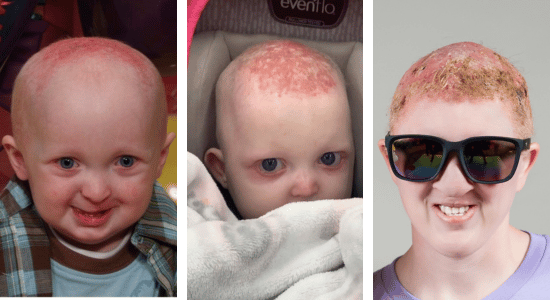
The NFED is convening researchers, clinicians and families for our fourth scientific conference dedicated to chronic skin erosions caused by TP63-related conditions.
The event will include:
- a roundtable discussion with affected families who will share their lived experience, and
- collection of issue samples to support ongoing research.
The goal is to establish expert clinical consensus on the treatment of wounds resulting from TP63 gene mutations.
Co-Chairs
- Elaine C. Siegfried, M.D., Saint Louis University
- Brad A. Amendt, Ph.D., The University of Iowa
- Lamiaa Hamie, M.D., Saint Louis University
- Michael Levitt, M.D., Illinois Dermatology Institute
- Mary Fete, M.S.N., R.N., C.C.M, NFED
What are TP63-Related Conditions?
TP63-related conditions are ectodermal dysplasias caused by changes in the TP63 gene. These syndromes include:
- ADULT syndrome;
- ankyloblepharon-ectodermal defects-cleft lip and/or palate (AEC) syndrome (formerly called Hay-Wells syndrome or Rapp-Hodgkin syndrome);
- ectrodactyly-ectodermal dysplasia-clefting (EEC) syndrome; and,
- limb-mammary syndrome.
Participation of caregivers, researchers, and clinical experts is by invitation only.
Travel Accommodations for Professionals
The NFED will cover reasonable travel expenses and arrange hotel accommodations.
Individuals who are affected by a TP63-related condition and live in the United States are invited to participate, especially if you or your affected child have experienced skin erosions.
If you attend, you will…
- meet and interact with researchers and healthcare professionals who are actively working to better understand and treat TP63-related conditions.
- gain valuable insights into current research, treatment approaches, and ongoing advancements.
- share your personal experiences.
- provide input on skin care recommendations.
- ask questions in a roundtable discussion.
- meet other NFED families, develop a support network, and learn from one another’s experiences.
Volunteer for Research
If you are interested, you can contribute to ongoing research efforts by voluntarily donating tissue, blood, hair, or nail samples at the Conference. Researchers critically need these samples to advance scientific understanding, develop treatments, and ultimately, work toward cures.
Travel Stipends
Space is limited. The NFED may not be able to accommodate every family who would like to attend.
- For affected children, the NFED will cover expenses for travel, lodging for two nights, and meals for the child and one parent or guardian.
- For affected adults, we will cover expenses for travel, lodging for two nights, and meals for the individual.
For More Information or Questions
Contact Mary Fete, Research Specialist, Retired Executive Director or Brian Cook, Director of Research.
Past Conferences
Incontinentia Pigmenti Conference: Translating Discovery to Therapy
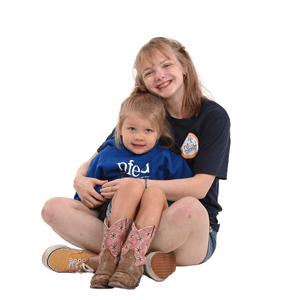
The NFED hosted the Incontinentia Pigmenti Conference: Translating Discovery to Therapy, February 20-22, 2025, in Charlotte, North Carolina. This hybrid event brought together participants, both virtually and in-person from around the world, to discuss advancements in the understanding and treatment of incontinentia pigmenti (IP).
Complex Wounds in Ectodermal Dysplasias Conference

The NFED hosted the Complex Wounds in Ectodermal Dysplasias Conference, November 3-5, 2024, at the Children’s Hospital of Philadelphia (CHOP). The primary focus of the conference was to creating a strategic plan to address the challenges related to wound healing in individuals with ectodermal dysplasias, particularly those with P63 syndromes. The conference proceedings were published in the American Journal of Medical Genetics.
Outcomes
Participants strategized and identified the following goals for the NFED’s wound healing research plan.
Short Term
- Identify and define a deliverable therapeutic to bring to trial in a two-year time frame.
- Establish research priorities aimed at accelerating wound healing research and therapeutic development.
- Develop collaborations that focus on pursuing a deliverable therapeutic.
- Publish conference proceedings.
Long Term
- Support and sustain long-term collaborations directed at wound healing research and developing therapeutics.
- Develop effective therapeutics to address the morbidity and mortality of ectodermal defects.
International Ectodermal Dysplasias Research Conference: Translating Discovery to Therapy
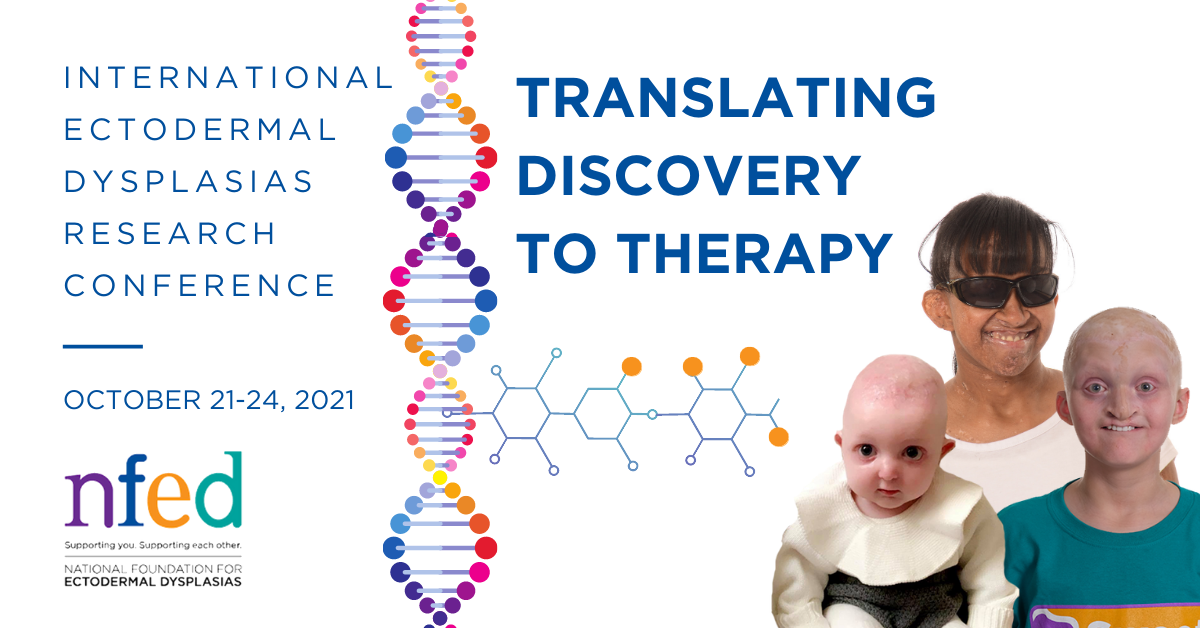
The NFED hosted the International Ectodermal Dysplasias Research Conference: Translating Discovery to Therapy, October 21-24, 2021, in Charlotte, North Carolina. The conference was a way to identify opportunities and overcome barriers with the ultimate goal of advancing early diagnostics and developing novel therapeutic strategies aimed at symptoms that cause significant morbidity in individuals affected by ectodermal dysplasias.
2006 International Research Symposium for Ankyloblepharon-Ectodermal Defects-Cleft Lip and/or Palate Syndrome
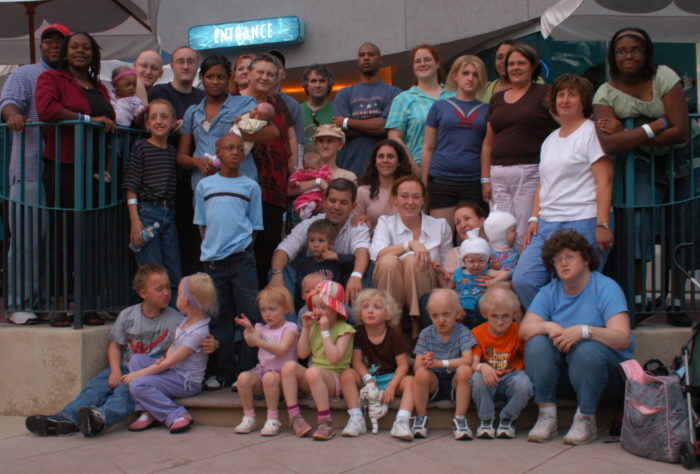
Collaborators: NFED, Texas Children’s Hospital/Baylor College of Medicine
Outcomes
- Better characterized the changes that can occur in the skin, hair, and nails of those with AEC syndrome
- Described the findings that occur in the hair and skin when viewed under the microscope, which can help with improved diagnosis
- Increased understanding of how this disorder can affect the eyes, ears, hearing, teeth, limbs, growth, and psychologic functioning, which will hopefully lead to improved medical care
- Improved understanding of how p63 functions in development
- Identified eleven new mutations in the p63 gene in the study participants, but all were in the expected area of the gene
2003 Skin Erosion and Wound Healing in Ankyloblepharon-Ectodermal Defect-Cleft Lip and/or Palate (AEC)

Collaborator: NFED, Saint Louis University School of Medicine
Outcomes
- Increased understanding of AEC syndrome
- Identified successful treatments
- Published all results in several articles in the American Journal of Medical Genetics.