


Helping Your Child Deal with Ectodermal Dysplasia through Each Age and Stage
It can be helpful to start any conversation (about a medical diagnosis, about a treatment, etc.) by asking your child what they already know, what questions they have and what they want to know. It is best to be honest with your child if you do not know the answer to a question. Instill hope that you will work to get answers together.
So our biggest thing with our family and other people is if we’re going to talk about anything, it’s with Theo in a conversation. We don’t ‘talk about,’ we ‘talk with’ and we converse. I want him to be empowered and he is. And he has funny jokes with his friends that he takes out his teeth.” – Megan, Theo’s mom
If they ask a question that doesn’t have an answer (“why me?”), it’s ok to let them know that’s a question that doesn’t have an answer. You can also clarify any misunderstandings like their condition is not their fault, etc.
Always remember that ectodermal dysplasia is only one part of your child’s life and does not define them!
Navigating Childhood Stages
Learn how to support your child and talk about ectodermal dysplasia at each age:
Infancy
Early Childhood (Ages 1-3)
Preschool (Ages 3-6)
School Age (Ages 6-12)
Adolescence (Ages 12-18)
Infancy

During this stage, focus on bonding with your baby and developing new routines and traditions as a family.
Navigating This Stage With Ectodermal Dysplasia
- Be sure to take time to celebrate milestones, such as taking newborn pictures, even while you’re in the midst of medical evaluations.
- Keep a routine as much as possible. Babies benefit from a routine, even if they have extra medical appointments and spend extra time in the hospital. Think about how to keep things consistent no matter what else is going on. For example, what elements of the bedtime routine can you do in the hospital, before naptime, or after a doctor’s visit?
- Check in about how any older children may be coping with having a new sibling and their diagnosis and needs.
Talking About Ectodermal Dysplasia
- Practice talking about your child’s medical condition to others. This will help you model these discussions for your child as they get older.
- Make sure any older siblings have an understanding of their sibling’s medical condition that is appropriate for the siblings’ developmental level.
Family Perspective
Early Childhood (Ages 1-3)

During this stage, toddlers want control and independence. They develop confidence through doing. They need to be allowed to make and learn from these mistakes and stumbles. They are very focused on the here and now and do not understand time. They may struggle to cope with separation from caregivers, limits on activities, and changes in routines. Toddlers are continuing to understand and develop attachment. Physical activity is important in this phase as toddlers learn how their bodies can move.
Navigating This Stage With Ectodermal Dysplasia
- Make their environments as familiar as you can. You could bring comfort objects to medical appointments as an example.
- Use choices to help your child gain agency but do not offer choices if they do not exist. For instance, your toddler cannot choose if they want to get a blood draw or not but they can choose what color band aid to get after or whose lap they sit on during the blood draw.
- Maintain their schedule and routine whenever possible.
- Encourage physical activity as medically appropriate.
Talking About Ectodermal Dysplasia
- Explain why medical things are happening. Example: “We’re going to the dentist to help you be able to chew your favorite foods.”
- Continue to be aware of how you’re talking about your child’s medical condition to others. They’re always listening and your script will become their internal script.
Family Perspective
Preschool (Ages 3-6)
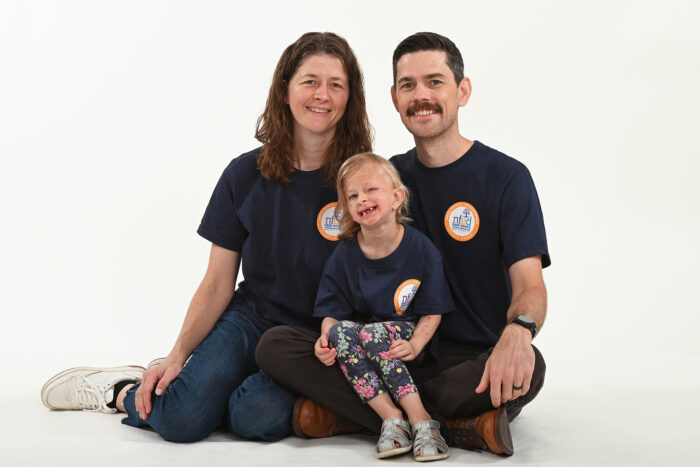
During this stage, children are using experiences to gain some mastery over their world. They want to have control over their world. They are very focused on themselves, which can lead to them making incorrect attributions about their medical condition and treatments towards the end of this stage. Developing independence is important.
Navigating This Stage With Ectodermal Dysplasia
- Be aware that your child may start to understand and fear pain and may start to associate locations, like the doctor’s office, with pain.
- As they near the end of this stage, they may think that medical diagnosis and treatments are punishment for something they’ve done wrong.
- Focus on their comfort in the midst of uncomfortable things. Example: “It can feel funny to keep your mouth open for so long at the dentist. Should we bring a fidget you can play with during your exam?”
- Try to maintain their routines as much as possible. This helps avoid feeling like their medical needs are taking over their life.
- Use time durations they understand. Example: “This doctor’s appointment will be shorter than the time it takes to watch two cartoons.”
- This age is often when children start to notice differences, of themselves and others. They do not automatically assign value to those differences however. It is important that your child can start to explain their differences as they enter school age.
Talking About Ectodermal Dysplasia
- Offer basic information about their condition and treatment.
- Correct misperceptions. Make sure they know this is not “their fault”.
- Do not tell your child about something that will “not hurt” if it will. Instead you can say, “This needle poke might be uncomfortable but it will be over before we count to five together.”
- Consider using props to help them understand and gain mastery over the medical condition. A child can examine their stuffed animal’s mouths or bring their toy doctor kit to the doctor’s office.
- Ask your child open-ended questions: “How were your friends on the playground today?” as well as more direct questions, “Did anyone ask you why you took a break inside during recess today?”
- Begin to practice responding to questions about differences. You can do this using role play with stuffed animals or family members.
Resources
- Does My Child Need a 504 Plan or IEP?
- Now is the Time to Review Your Child’s IEP or 504 Plan for Ectodermal Dysplasia
Family Perspectives
- Colt’s Small Dentures Make a Big Difference
- How Crowns Boosted a Five-Year-Old’s Confidence
- Two-Year-Old Struggles to Eat With Just One Tooth
- Caring for Our HED Baby Down Under
- Raising a Strong Daughter with HED
School Age (Ages 6-12)
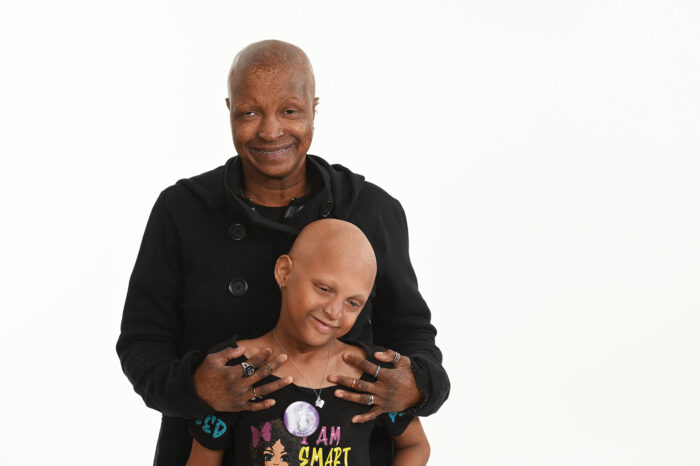
During this stage, kids are learning how to cope with social and academic demands of school. They want to experience success. They are beginning to think more logically, at times, but may struggle to do so, especially during times of high emotions. They may still struggle to understand more abstract topics.
Navigating This Stage with Ectodermal Dysplasia
- It’s typical for children in this developmental phase to have fears of pain, illness, injury and loss of control and skills.
- Children also start to understand death more fully and may worry about their own health, even when this is not a realistic fear.
- It’s important to encourage school attendance and time with friends.
- Help your child find their strengths.
- In earlier years, they may have “magic thinking” about their condition, like “it will go away if…”
- In later years, they may ask “why me?”.
- They may feel left out when missing school or activities. It can be helpful to ensure social connections are supported. For instance, you could schedule a sleep over the weekend after your child misses a day of school for medical appointments.
- Differences become more clear to them about their appearance, treatments, and appointments.
Talking About Ectodermal Dysplasia
- Continue to offer basic information about illness and treatment.
- Discuss the difference between curiosity and bullying/teasing.
- Openly discuss the impact of their ectodermal dysplasia on their social life.
- Identify other important adults who are “safe people” they can talk to.
- Begin to practice responding to questions about differences. Using the Acknowledge, Explain and Move On framework can be helpful. Example: “My teeth look different because I have ectodermal dysplasia. Should we go play kickball now?”
- Be aware of and ask about cyberbullying in addition to other types of bullying.
Resources
- Bullying and Ectodermal Dysplasias
- Does My Child Need a 504 Plan or IEP?
- Now is the Time to Review Your Child’s IEP or 504 Plan for Ectodermal Dysplasia
Family Perspectives
Adolescence (Ages 12-18)
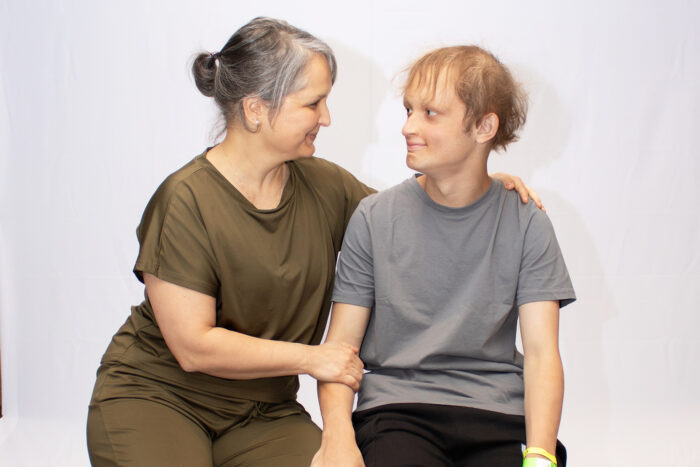
During this stage, adolescents are developing their sense of self and their identity. Successes and times of resiliency lead to strong identity. Adolescents can better problem solve and reason. This is still an emerging skill and is especially difficult during times of high stress and emotion.
Some of their biggest worries may be not fitting in or being separated from friends. Adolescents may experience increased body image concerns. They often feel invincible and, as a result, can engage in risky behaviors. This can include engaging in behaviors not consistent with staying healthy with ectodermal dysplasia.
Navigating This Stage with Ectodermal Dysplasia
- Encourage time with friends and school attendance.
- Be aware of body concerns and need for body autonomy, including who remains in the room during medical examinations. Body autonomy can also include deciding who learns what information about their medical condition. For example, how much do they want you to update grandma and grandpa after a medical visit?
- Include teens in treatment decisions.
- Remember that not fitting in with peers can be a serious stressor at this stage and that self-image and perceived attractiveness carry a high priority for teens.
- Adjusting to changes in appearance, like dental changes, can be a stressor for a teenager who is still working to develop their identity, even when these changes are perceived as “positive” by adults.
- Be flexible about medical treatments including considering what is important to the teen (prom, sports season, etc.) to minimize impact on school, social, work and family when possible.
- Help your teen develop an external support system. This may include a professional counselor and/or supportive adults.
- Start to think about transitioning some responsibility for medical care to your teen. Have them join you when you schedule appointments.
Talking about Ectodermal Dysplasia
- Be open to discussing concerns about the condition. Always listen before you respond.
- Thank your teen for talking to you.
- Appearance concerns are normal but don’t assume what your teen wants with regards to their appearance. Ask open ended questions such as “Is there anything you’d like to change?”
- Be prepared for potential differences in parents’, provider’s and teen’s goals of care. Be open to discussing your teen’s preferences and goals of care.
- Be prepared for an emotional response. The emotional part of your teen’s brain and the higher level thinking sections of their brain are not yet connected. Because of this we can see exaggerated emotional responses, especially when teens do not feel understood or are in periods of high stress and/or high emotion.
Resources
- Bullying and Ectodermal Dysplasias
- Does My Child Need a 504 Plan or IEP?
- Now is the Time to Review Your Child’s IEP or 504 Plan for Ectodermal Dysplasia
Family Perspectives
- Underrated Basketball Star with HED Excels on the Court
- From Fragile To Thriving: The First 15 Years of Living with AEC Syndrome
- A Seventh Grader’s Tips for a Great School Year
- My Motto: Never Ever Give Up
- One More
- Miss Wiggy
Would you like a printout of this content?
Connect With Our Community
Parenting can be a challenge and some stages may be harder than others. Remember, that you can contact the NFED staff for further support. You may also learn ideas from other parents of children affected by ectodermal dysplasias. Consider joining our private Facebook groups or talking to a Family Liaison.