
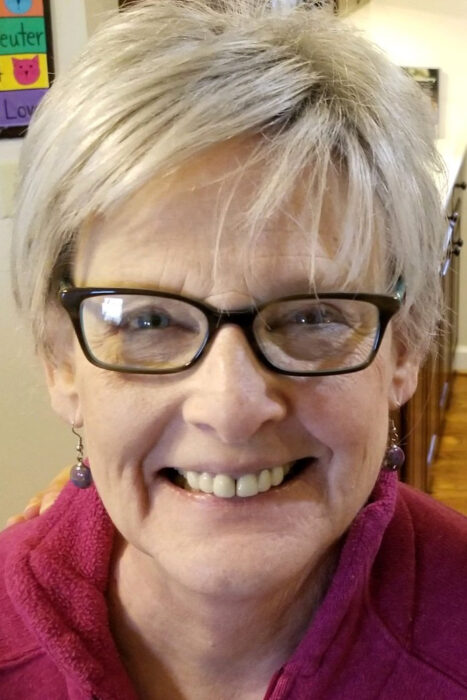

Deciding whether to wear a wig is a personal choice. Some kids and adults feel fine without one, while others find that a wig helps them feel more confident in social situations. Never force your child to wear a wig. Just giving them the option can help them feel more in control and empowered.
“Wigs are the tools I choose to use in order to navigate my world in a more positive way. Underneath my wigs I am still me, the personal issues I struggle with are still there; that work is never-ending. But they do allow me to relax and just be myself.”
– Tina, affected by x-linked hypohidrotic ectodermal dysplasia
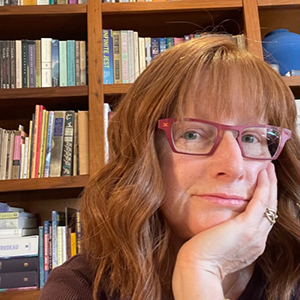
Buying a Wig
Picking out a wig can feel tricky, but it doesn’t have to be. Start with a store or maker you trust. You can find many online and in-person retail stores. Be sure and look for good reviews or recommendations. They should be able to tell you what materials the wig is made from, how long it should last, and how much repairs or replacements might cost.

You have a lot of different wig options to choose from, a full wig, hair topper, bangs attachment, or halo. Hair can be synthetic (easy to care for, less expensive, lasts a few months) or human hair (looks very natural, can be styled with heat, lasts longer but costs more). Caps can be made of netting or plastic, which also affects the price. Wigs can cost anywhere from a few hundred dollars to several thousand.
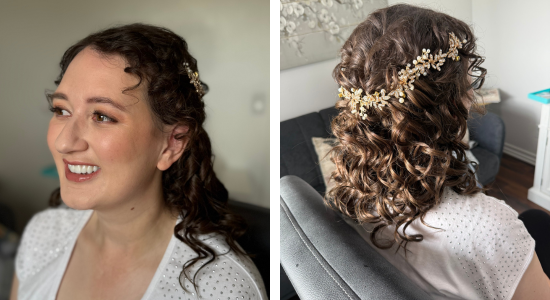
Some wigs are designed to stay on during swimming, bathing, active play, or even windy days. These use a custom-molded cap that sticks by suction. They cost more, around $2,000 to $3,000, and usually need a hairless scalp for the best fit. For many people with ectodermal dysplasia, that means shaving the head.
If you have sensitive or fragile skin on your scalp, certain adhesives may not work for you. Wigs can be hot, so if you don’t sweat, you may find that some types of wigs work better for you than others. If your hair is brittle, clip in hair pieces may damage your natural hair.
Some families suggest starting with a less expensive wig. Wear it for a few weeks, maybe during a school break or vacation, to see how it feels and how much care it needs. That way, you’ll know if a pricier wig is worth it.
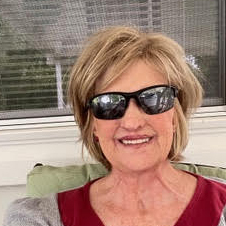
“I like the open weave wigs because they are cooler. I found that shaving my head (since I don’t have that much hair anyway) works better and it’s cooler. This one only cost $49. I wear it till it looks bad and throw it away. Then I go to the beauty shop. I look at it that way since most women spend that much or more when they do go get their hair done.”
– Terri, affected by ectrodactyly-ectodermal dysplasia-clefting (EEC) syndrome
Wearing a Wig
A good wig supplier or stylist will help you cut and style the wig so it fits your head and looks natural.
Before putting on a wig, smooth your hair down with a wig cap if you have hair, or just make sure your scalp is clean and dry.
Secure the wig with straps, clips, or gentle adhesives so it doesn’t slip. Be gentle when styling. If the wig is heat-friendly, use low heat only. Take it off carefully. Loosen straps or glue first.
If you have more than one wig, try rotating them. This helps your scalp stay healthy and keeps each wig lasting longer.
Caring for a Wig
Wash your wig with shampoo and conditioner made especially for wigs. Synthetic wigs usually need washing every six to eight wears and require special shampoo and conditioner made for synthetic hair. Human hair wigs might need washing more often.
Pat the wig dry and place it on a stand. Don’t wring it out or use high heat unless the wig can handle it. Store it safely on a stand or in a breathable bag to keep its shape and prevent tangling.
Brush gently from the ends upward, not top to bottom. With a synthetic wig, many women suggest using a wide tooth comb to comb it. Keep wigs away from strong sun, heat, and harsh chemicals. If your wig starts shedding or tangling, a professional stylist can help repair it.

“I have ectodermal dysplasia and wear wigs because I completely lost my hair in my 50s. I buy them on Amazon, Ebay, or Marketplace. I found that human hair blend lasts the longest. I work really hard cleaning houses and most wigs don’t handle the work, heat and sweat well. But, the human hair blend is better now that I figured out how to care for them in between washes. I won’t spend more than $30 – $50 because I usually switch them every three to six months.”
– Gina, affected by ectodermal dysplasia
Give It Time
Give yourself time to get used to your new wig. You might wear it around the house for a few hours at a time at first. The first day you wear your wig to school or work, people might notice or comment. Don’t worry! After a few days, most people won’t even think about it.
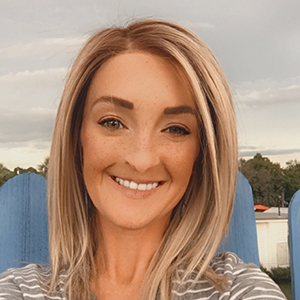
For more detailed information and tips about choosing a wig, read A Wig Sister Is Living Her Best Life. Jessica shares advice on purchasing a wig, choosing a size and style and caring for your wig. She’s a woman affected by EEC syndrome.
Financial Assistance
The NFED provides financial assistance for wigs for individuals affected by ectodermal dysplasias. Learn more and apply.
Insurance Reimbursement for Wigs
Some insurance companies reimburse some or all of the cost of a wig. Call your insurance company and ask if they cover wigs. For detailed steps to take, visit the National Alopecia Areata Foundation to learn more about how to get your wig costs reimbursed by health insurance.
Free Wigs
The NFED has several free wigs available. Learn more and apply.
Other Resources
The following organizations provide free wigs to individuals who have hair loss for a medical reason, such as ectodermal dysplasia.
Read Family Perspectives
How I Finally Made Peace With My Hair – Tina shares her hair journey as a woman affected by hypohidrotic ectodermal dysplasia (HED).
How Hair Made Me Confident – Charlotte talks about her experience in wearing synthetic and human hair wigs, weaves, and which ones made her hot, since she can’t sweat due to HED.
Seeing Myself as Beautiful – Nicole shares her experience in trying wigs and clip-in extensions and how the right stylist helped her feel beautiful.
Clouston Syndrome – Perfectly Different – Addison, who is affected by Clouston syndrome, talks about how her sparse hair hurt her self-esteem and how her affected daughter inspired her to try a wig.
Connect With Others
If you are a woman affected by ectodermal dysplasia and looking to talk to other women about wigs, consider joining the Adult Women with Ectodermal Dysplasia – an NFED.org Group. You can type “wigs” in the search bar to see past posts and conversations. You can also request a list of individuals affected by ectodermal dysplasias and their contact information. Contact us.
Have questions, ideas or recommendations for wigs? Contact us.