Current Research
Developing Methods for Generating Full-Thickness, Healthy Replacement Skin for AEC Patients
Maranke Koster, Ph.D. has been one of the leading researchers in AEC syndrome for two decades. The NFED funded her current work with Peter J. Koch, Ph.D. On multiple occasions, NFED families provided skin biopsies for this project. Read progress update.
A New Therapeutic Strategy for AEC Syndrome: Replacing a Damaged Protein to Help Heal the Skin
Professor Caterino Missero has also been researching skin fragility in AEC syndrome for more than 20 years. The NFED has helped fund her study. Read the latest on her research.
Shape Our Futures With Research
Ectodermal dysplasia can cause a lifetime of challenges. By supporting research, you expand early diagnostics, treatments, pathways toward cures… and hope!
Donate to ResearchPast Research Conferences
2002 Skin Erosion and Wound Healing in Ankyloblepharon-Ectodermal Defect-Cleft Lip and/or Palate (AEC)
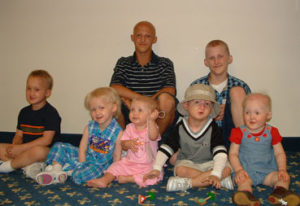 Collaborator: NFED, Saint Louis University School of Medicine
Outcomes
-
- Increased understanding of AEC syndrome
-
- Identified successful treatments
2006 International Research Symposium for Ankyloblepharon-Ectodermal Defects-Cleft Lip and/or Palate Syndrome
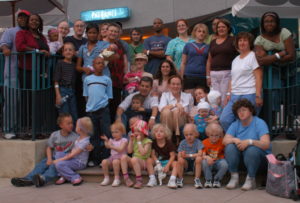 Collaborators: NFED, Texas Children’s Hospital/Baylor College of Medicine
Outcomes
-
- Better characterized the changes that can occur in the skin, hair, and nails of those with AEC syndrome
-
- Described the findings that occur in the hair and skin when viewed under the microscope, which can help with improved diagnosis
-
- Increased understanding of how this disorder can affect the eyes, ears, hearing, teeth, limbs, growth, and psychologic functioning, which will hopefully lead to improved medical care
-
- Improved understanding of how p63 functions in development
-
- Identified eleven new mutations in the p63 gene in the study participants, but all were in the expected area of the gene
Published all results in several articles in the American Journal of Medical Genetics
2024 Complex Wounds in Ectodermal Dysplasias Conference
Collaborator: Children’s Hospital of Philadelphia
Outcomes
Participants strategized and identified the following goals for the NFED’s wound healing research plan.
Short Term
- Identify and define a deliverable therapeutic to bring to trial in a two-year time frame.
- Establish research priorities aimed at accelerating wound healing research and therapeutic development.
- Develop collaborations that focus on pursuing a deliverable therapeutic.
- Publish conference proceedings.
Long Term
- Support and sustain long-term collaborations directed at wound healing research and developing therapeutics.
- Develop effective therapeutics to address the morbidity and mortality of ectodermal defects.