The Edelife Clinical Trial is studying a potential treatment, called ER004, for x-linked hypohidrotic ectodermal dysplasia (XLHED) in unborn boys. The goal is to determine if the treatment is safe and effective. If approved, the treatment would be life-changing for our community.
The National Foundation for Ectodermal Dysplasias (NFED) began the XLHED research in the 1980s that led to this potential treatment and fostered its advancement over the next decades. We are supporting the clinical trial by sharing this information with our XLHED families and providing support should you choose to participate.
ER004 as a Treatment Before Birth
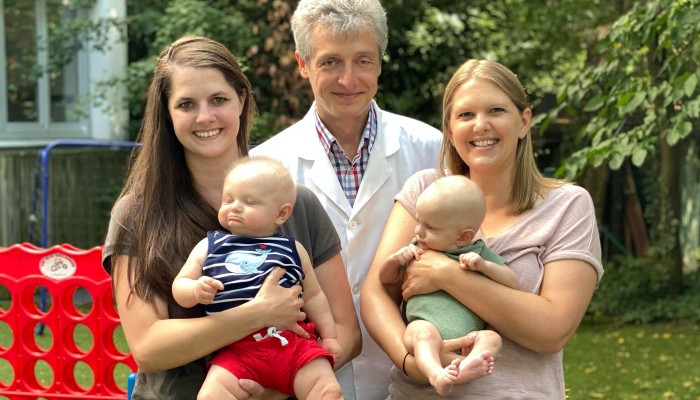
ER004 is a protein that researchers created to mimic the one that is missing in people affected by XLHED and causes its symptoms. Giving it to XLHED-affected baby boys in utero at the right time of development, ER004 should trigger the process that leads to the normal development of a baby’s skin, teeth, hair, and sweat glands, leading to better formation of these structures. ER004 is an experimental medicine, which is only approved for use in clinical studies right now.
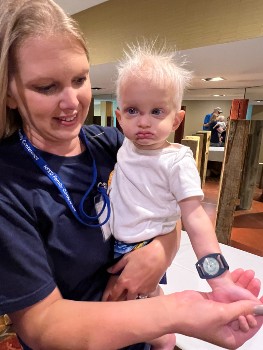
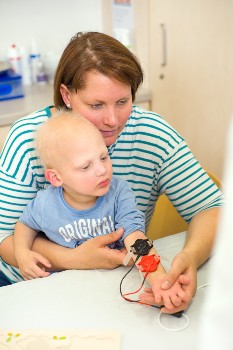
Prof. Dr. Holm Schneider at the University Hospital Erlangen published findings in the International Journal of Molecular Sciences from treating six baby boys affected by XLHED in-utero with ER004 in a Trial to Cure. The long-term data show that the boys have a near-normal amount of functioning sweat glands and no eye, ear, nose, throat or respiratory issues! Neither the boys nor their mothers had any negative side effects. Read more about the exciting findings.
Who Can Participate in the Trial?
Two groups of participants are needed for the trial.
Treated Group: Women with a confirmed genetic diagnosis of XLHED who are 18 years old or older and pregnant with a baby boy who might be affected by XLHED.
The Control Group: XLHED-affected males, six months to 60 years old, who are blood relatives of the pregnant woman participating in the study. This group will NOT receive ER004 because we learned from the XLHED Newborn Clinical Trial that it does not work when given after birth. They are asked to visit the study site one time before the treated relative is six months old.
Are you a woman with a known or potential diagnosis of hypohidrotic ectodermal dysplasia (HED)?
Do you know the inheritance pattern of your syndrome? There are multiple ways that HED is passed from parent to child. Sometimes, it occurs due to a random change in a gene. This genetic change is no one’s fault and not preventable.
Edelife is specifically for individuals affected by x-linked hypohidrotic ectodermal dysplasia. Women who are affected by XLHED may show minor to no symptoms of HED, but may have a fully affected father. Or, the change in the gene may be new in her and she’s the first in her family to have it.
If you or a woman you know meets any of the following criteria, you may be eligible to participate:
- Father is affected by HED.
- May or may not be affected by a range of symptoms, including the inability to sweat, sparse hair, trouble breastfeeding, missing or conical-shaped teeth, dry skin and/or eczema, abnormal nails and more.
- Given birth to a child affected by HED.
- Known diagnosis of XLHED.
And if you are of both of the following:
- Childbearing age (18 to 40 years old).
- Currently pregnant or planning a pregnancy in the near future.
Genetic Testing Stipends
If you suspect you may have XLHED but do not have a genetic test confirming your diagnosis, we can provide financial support to get the necessary genetic testing. While a confirmed test is required to participate, please do not wait to reach out about the trial. We want to speak with you now so you don’t miss the treatment window at pregnancy weeks 26 – 32.
XLHED-affected males, six months to 60 years old, who are blood relatives of the pregnant woman participating in the study, can participate in the control group for Edelife. This group will NOT receive ER004 because we learned from the XLHED Newborn Clinical Trial that it does not work when given after birth. They are asked to visit the study site one time before the treated relative is six months old. Researchers will compare the data collected from the treated XLHED boys to the XLHED-affected males in the control group who did not receive ER004.
It’s important for men affected by HED to know that, depending on the inheritance pattern of your syndrome, you could have daughters, nieces, sisters, or other female relatives who are affected but don’t show symptoms or have less severe symptoms than you.
You can help the women in your family understand if they are eligible for Edelife and potentially help their unborn children experience less symptoms of HED than you have!
What would life be like if you didn’t have to worry about overheating or if you had more teeth? This treatment could potentially change that for your unborn nephews, cousins and grandsons! Isn’t that a miracle?
Clinical Trial Sites
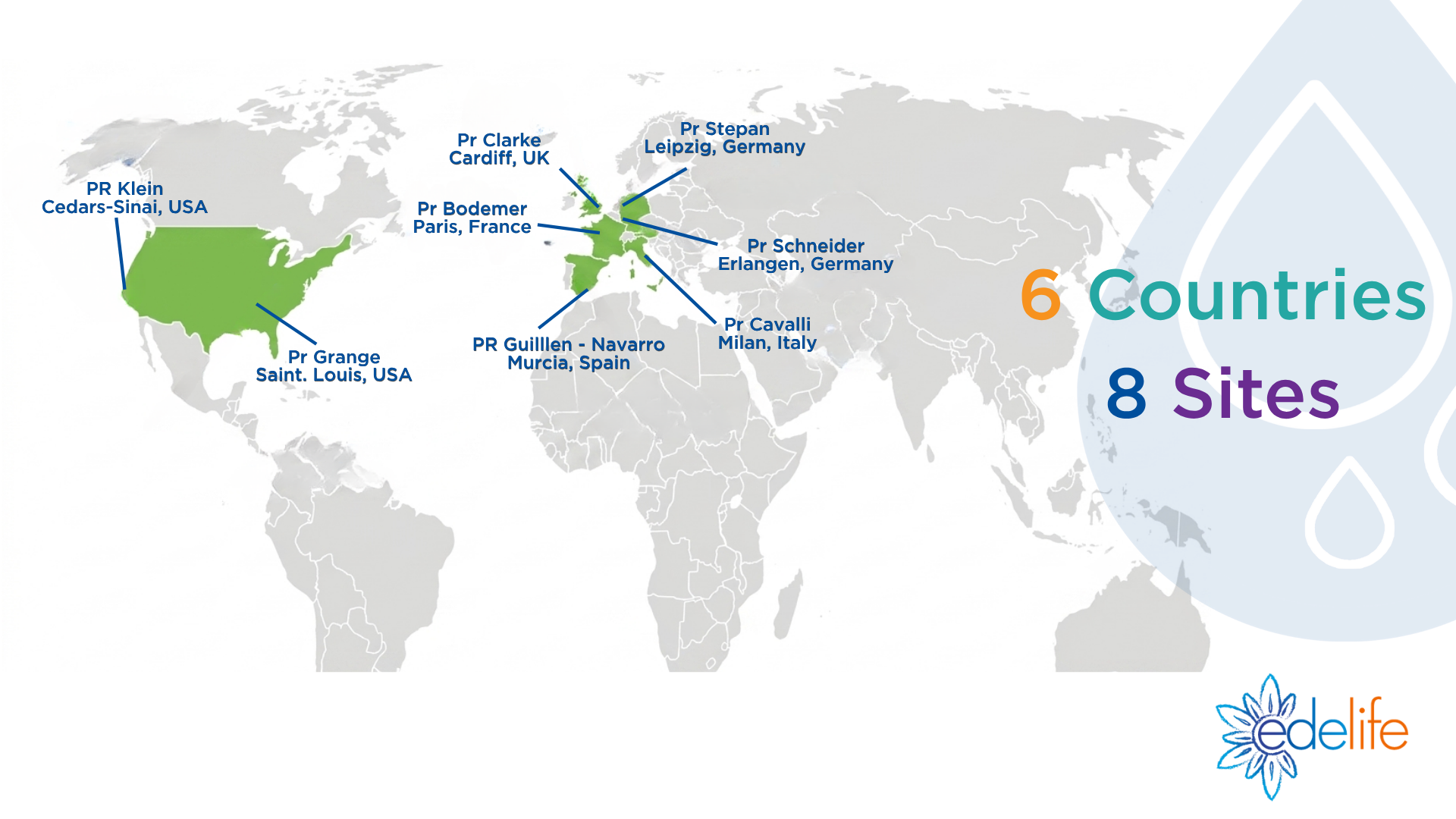
XLHED-affected families are invited to participate at study sites around the globe, including France, Germany, Italy, Spain, the United Kingdom and the United States. There are two trial sites in the U.S. One is located at Washington University, right in the NFED’s backyard, in St. Louis, Missouri. And the second site is at Cedars-Sinai Medical Center in Los, Angeles, California.
The Process
The doctor at each study site will screen potential participants. If approved, you would have 14 visits to the site over five years. Treatments for your unborn son would take place over three visits at pregnancy weeks 26, 28-29 and 31-32. They would give ER004 injections similar to an amniocentesis. You and the baby would receive other tests and health checks throughout the process.
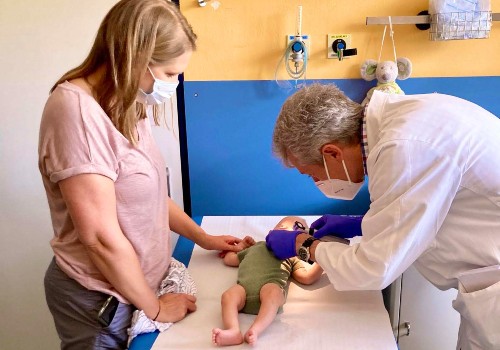
Follow-up visits begin when your son is born and for the next five years. These follow-up visits are essential so the study can evaluate if the treatment has worked and how safe it is.
Learn the full process on the Edelife website.
There could be side effects from ER004, since it is experimental, and from the injection procedure. The doctor leading each site can explain them to you.
Participation in any type of research is a personal decision. Be sure to read all of the information available on the Edelife clinical trial website and ask all of your questions. Here are tips to help you decide if you should participate in a study.
Learn about two mothers whose XLHED-affected sons received ER004 prenatally in the Trial to Cure by reading Emily Nelson’s and Laura Reiser’s stories. They discuss why they chose to participate, the process and how their sons are doing after being treated. You can also read how four of the boys are doing now. Read about Beth and Peter’s experience in participating in the Edelife Clinical Trial and Elizabeth and John’s.
Contact the doctor who is responsible for the study in your country to ask questions or see if you are eligible. You can find their contact information on the Edelife website.
For the United States site at Washington University in St. Louis, contact Dr. Dorothy Kathy Grange at 314-454-6093 or grangedk@wustl.edu.For the United States site at Cedars-Sinai in Los Angeles, contact Dr. Ophir Klein at Ophir.Klein@cshs.org.
If you are a pregnant woman who has XLHED but live in a country where there is no site, you may still be eligible. Contact Dr. Holm Schneider at holm.schneider@uk-erlangen.deto or +49 9131 8533775 to find out.
Visit the Edelife clinical trial to learn all details. Here are some other resources which may help you.
- XLHED Research Studies and Timeline
- ClinicalTrials.gov
- Learn more about why the Edelife clinical trial is just for XLHED boys.
Reach out to Mary Fete at the NFED at mary@nfed.org or 618-566-2020 to learn more or to let us know if you choose to participate. The NFED office is near the St. Louis site, and we would be happy to provide support to you and your family during the trial. We are here through your journey should you choose to participate.
Will you help us spread the word about this life-changing clinical trial?
Sign up to Receive Trial Info and Updates
"*" indicates required fields