Tips for Families Affected by Ectodermal Dysplasia
Having a child affected by ectodermal dysplasia, you already know that managing their condition takes constant attention — doctor’s appointments, dental work, temperature monitoring, skin care, and more. What you may not realize is that much of that management extends into the school day, and that federal law in the United States gives your child the right to support while they’re there.
Two tools exist to protect students with disabilities* in public schools: 504 plans and Individualized Education Programs (IEPs). Understanding the difference and knowing which one your child may need is one of the most important steps you can take as their advocate.
If your child is in private school or home school, check with your state to see what services they are eligible for.
504 Plan vs. IEP: What’s the Difference?
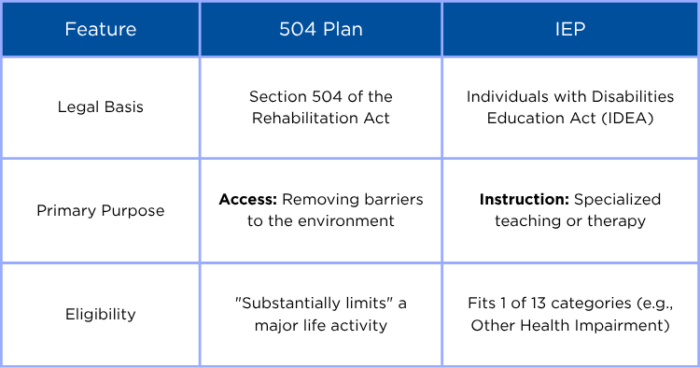
Both plans help students with disabilities access education, but they come from different laws and offer different levels of support.
A 504 Plan comes from Section 504 of the Rehabilitation Act of 1973, a federal civil rights law that prohibits discrimination against people with disabilities in programs that receive federal funding, including public schools. A 504 plan provides accommodations that level the playing field. It does not typically include specialized instruction but ensures your child can access the same curriculum as their peers.
The Individuals with Disabilities Education Act (IDEA) governs an IEP. It goes further by providing specially designed instruction in addition to accommodations. To qualify, a child must have a disability that falls within one of 13 specific IDEA categories. That disability must adversely affect their educational performance in a way that requires special education services.
504 Plan vs. IEP: The Legal Framework
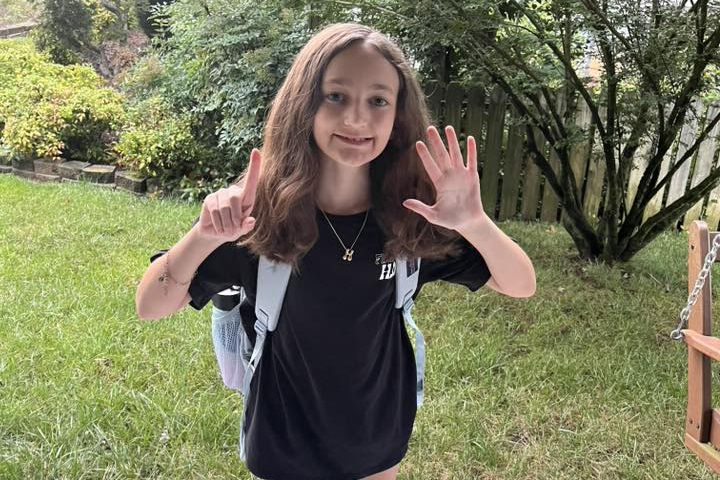
“Heidi’s 504 has done wonders for her! We have a very supportive school system, but between her 504 and NFED conferences, she has become so confident in advocating for herself. Everyone starts with a puzzled look at the beginning of the year, but are super fascinated and intrigued in learning about her and her journey with ectodermal dysplasia!” – Amanda, mother of Heidi, who is affected by ectodermal dysplasia
According to Public School Review, understanding these distinctions before meeting with school staff helps you have more meaningful, productive conversations and ensures you’re asking for the right type of plan from the start.
How Ectodermal Dysplasia Can Qualify Your Child
Ectodermal dysplasias encompass more than 50+ related conditions that change how a person’s hair, teeth, nails, and certain glands, such as the sweat, salivary, mammary, and tear glands, develop and work. While each child’s symptoms are unique, many hallmark features of ectodermal dysplasias can directly interfere with functioning in a typical school environment.
Here are common challenges that may qualify your child.
- Heat intolerance. Many children with ectodermal dysplasia have reduced or absent sweat glands, making overheating a genuine health risk. Hot classrooms, outdoor recess, and physical education can all become dangerous without the right accommodations.
- Dental abnormalities. Missing, malformed, or fragile teeth affect chewing, speech, self-confidence, and often require frequent absences for procedures.
- Vision and hearing impairment. Some forms of ectodermal dysplasia affect the eyes or ears, requiring accommodations such as preferred seating, assistive technology, large print, Braille, headphone usage, or listening systems.
- Skin sensitivity. Fragile skin, fabric sensitivity, and sun sensitivity can affect comfort and participation in daily school activities.
- Fatigue. Managing a complex medical condition takes a physical toll that affects energy and concentration throughout the school day.
- Speech and feeding challenges. Dental and oral differences may affect speech development or a child’s ability to eat typical school lunch food/snacks in a limited amount of time.
Under Section 504, the bar for qualification is accessible: if ectodermal dysplasia substantially limits your child’s ability to eat, regulate body temperature, see, hear, speak, or concentrate, they likely qualify for a 504 plan.
An IEP may be appropriate if those challenges significantly affect learning to the point that your child needs specialized instruction or school-based therapies, such as speech, vision, hearing or occupational therapy.
Read our School Advocacy Toolkit for additional information.
Download School Advocacy Toolkit
Signs Your Child May Need a Plan
If your child affected by ectodermal dysplasia doesn’t currently have a plan, these are signals it may be time to pursue one:
- They are frequently fatigued or physically uncomfortable during the school day.
- They are falling behind academically despite genuine effort.
- They are missing significant school time for medical appointments or health issues.
- They struggle to eat lunch or participate in physical education or recess time.
- Teachers have expressed concerns about their ability to keep up.
Ask yourself these questions.
- Is my child keeping up academically?
- Are there physical barriers affecting their day that no one is currently addressing?
Some children with ectodermal dysplasia manage well without a formal plan. If your child is thriving, that’s a good sign. But, stay in regular contact with teachers and know your rights so you can act quickly if things change.
When a 504 Plan Is Enough vs. When an IEP Is More Appropriate
A 504 plan is often the right fit when a child is performing at or near grade level but needs environmental adjustments. They may need a cooler room, access to water, modified physical activity, or excused absences for dental or medical procedures without academic penalty. Because they often need to drink more fluids to stay cool or to hydrate, they may need extra bathroom breaks.
An IEP may be more appropriate when a child has meaningful academic gaps related to their disability, needs school-based therapies, requires a modified curriculum, or has complex needs that require a coordinated team and measurable goals.
“On my IEP, it said I need more time in math and that I have to take my tests in a different room.” – Laurel, teen affected by a TP63 condition
When you’re unsure, requesting a formal evaluation is always a reasonable step, and the school is legally required to respond.
The “Straight-A” Misconception
A common hurdle for families is being told a child doesn’t need help because their grades are high or they’re “doing well” in school. According to Wrightslaw, experts in special education law, Section 504 is a civil rights statute designed to ensure equal access. Under this law, even high-achieving students are entitled to a 504 plan if they need medical accommodations such as cooling equipment or unlimited access to water to remain safely in the classroom.
Step-by-Step: How to Request Support
1. The Written Request
You don’t need to wait for the school to come to you. As a parent, you have the right to request a formal evaluation at any time. Submit your request in writing.
Address it to the principal or special education chairperson. Keep a copy for your records. State clearly that you are requesting an evaluation to determine eligibility for special education services or a 504 plan. According to Public School Review, putting this request in writing is essential, as it triggers the school’s legal obligations and starts the official timeline.
Once the school receives your request, they must obtain your written consent before proceeding and conduct the evaluation at no cost to you. Timelines vary by state but are typically around 60 school days.
If you disagree with the school’s evaluation, you have the right to request an Independent Educational Evaluation (IEE). A qualified professional outside the district conducts the assessment. In many cases, the school is required to fund this or provide a written explanation for why they stand behind their own results.
2. Documentation of Medical Necessity
To streamline the process, be prepared to provide supporting documentation. This should include:
- Letter of Medical Necessity: A letter from your child’s pediatrician, dermatologist, or geneticist stating that the child cannot regulate their body temperature and requires a climate-controlled environment.
- Specialist Reports: Input from a pediatric dentist, audiologist, or ophthalmologist, or gastroenterologist regarding oral, hearing, vision or dietary needs.
- Records: School absences and/or medical procedures with recovery time noted related to ectodermal dysplasia-related health needs.
- Previous evaluations or assessments: Any documentation from state-provided services (ages 0-3) or other private evaluations that have been conducted.
Pro Tip: Keep a dedicated file, physical or digital, of all school and medical paperwork. This record will be invaluable throughout the process and in the years ahead.
Common Accommodations for Ectodermal Dysplasia
(These are suggestions and may not be relevant to your child.)
Once your child qualifies, the team should tailor accommodations to their individual needs. The most relevant categories for children with ectodermal dysplasia may include:
- Thermoregulation: Air-conditioned classrooms, unrestricted access to cold water, cooling towels or fans, modified outdoor activity participation, and access to a cool-down space on campus.
- Dental and oral health: Excused absences for dental/medical procedures, meal/snack accommodations for soft foods, and extra time during lunch.
- Vision and hearing: Preferential seating, large-print materials, assistive listening devices, and note-taking support.
- Skin sensitivity: Exemptions from irritating uniform requirements, modified physical education participation, and permission to wear protective clothing outdoors.
- Fatigue: Extended time on tests, rest breaks during the day, reduced homework load during illness or recovery, and a modified schedule if medically necessary.
- Speech and feeding: School-based speech-language pathology or feeding therapy services if oral differences affect communication or eating.
Starting School: The “Early Start” Rule
If your child is entering school for the first time, you should request an evaluation months before the school year begins. This ensures a signed plan is active on the first day of school and prevents your child from spending weeks without necessary medical protection.
You Are Your Child’s Best Advocate
No one knows your child better than you do. Federal law gives you the right to request evaluations, attend and participate in planning meetings, review and revise plans, and challenge decisions you disagree with. Understanding how these systems work puts that power in your hands. You can do this!
If you have questions, contact me at kristin@nfed.org. I’m happy to help you! This is the first of a two-part series. If your child already has a 504 plan or an IEP, now is the time to review it for next year and you can follow our tips on how to do it.
Additional Resources
* An educational definition of disability, primarily under IDEA refers to a child with specific physical, mental, or emotional impairments who requires special education and related services because their condition adversely affects their educational performance. It is not merely a medical diagnosis, but a legal determination that the disability hinders access to learning.