
I caught up with Clayton Butcher, M.D. between sessions at the 2025 Family Conference. Within minutes, I began to understand the “why” behind his years of commitment to the National Foundation for Ectodermal Dysplasias (NFED) community. His warmth comes through quickly as does his steady dedication to families affected by ectodermal dysplasias.
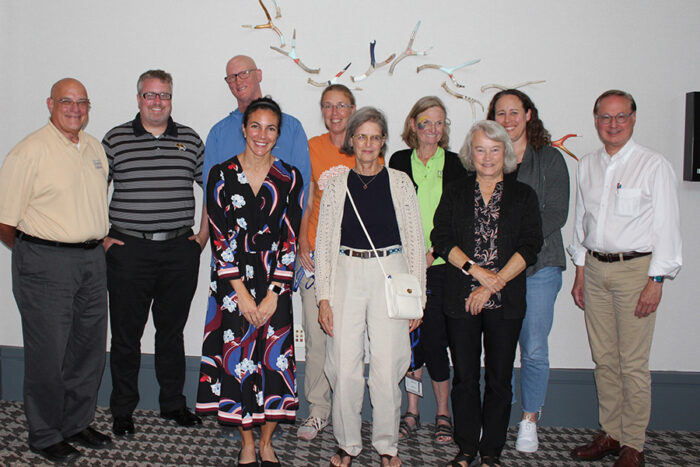
Dr. Butcher has been part of the NFED community for eleven years and serves on the Scientific Advisory Council. He practices both internal medicine and pediatrics at the University of Missouri–Columbia. That dual perspective shapes how he supports individuals with ectodermal dysplasias, especially during the often difficult transition from childhood to adulthood.
We talked about how he first found NFED, why he keeps coming back, and what he wants families and fellow medical providers to know.
Our Conversation
Q. When did you first hear about ectodermal dysplasias?
Dr. Butcher: Probably the first time I heard about it was when I was asked to consider joining or being involved with NFED through Dr. (Timothy) Fete. At the time, I was an attending (physician). I had worked with Dr. Fete, who has been involved with the group for a long time.
When I stayed on as staff, he came to me and asked if I’d be interested in being involved with the group. That was how I became involved with the NFED.
We don’t get much about ectodermal dysplasias in medical school or general pediatrics, maybe a brief mention, but it’s so rare. At first I hesitated to join because I thought, “I don’t know much about this, it’s rare. I don’t see it often in general practice.” But I gave it some thought and ultimately decided to do it, mostly because Dr. Fete encouraged me.
After attending my first Family Conference, I realized the impact. Even though I don’t see ectodermal dysplasias much in my own practice, being involved with NFED and especially with families has been worth it.
Q: From your perspective as a physician, what makes opportunities like this conference so valuable, both for families and for the medical community?

Dr. Butcher: We always say families teach us as much, if not more, than we teach them. Even though I wasn’t exposed to ectodermal dysplasias in training or frequently in practice, being here is a great opportunity to learn.
That’s one of the best things about this group, it’s so family-focused, but it’s also advancing research.
Q: What keeps you coming back year after year?
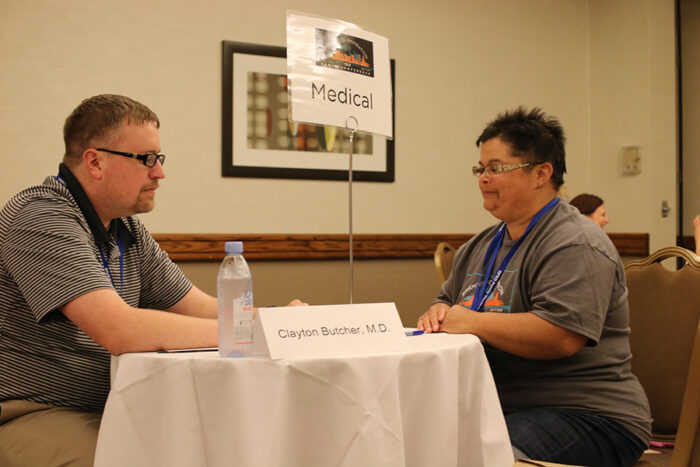
Dr. Butcher: What recharges my batteries is the Family Conference. That’s where the motivation comes from.
Professionally, NFED has been rewarding: research, networking, relationships with physicians and institutions, but without the Family Conference, it wouldn’t feel nearly as worthwhile. Seeing the impact it has on families, and how meaningful it is for them to have more information or simply feel supported, makes all the difference.
Families are so appreciative. Many want to contribute however they can. That’s inspiring.
Q: You have also been involved in research. Can you share a bit about that?
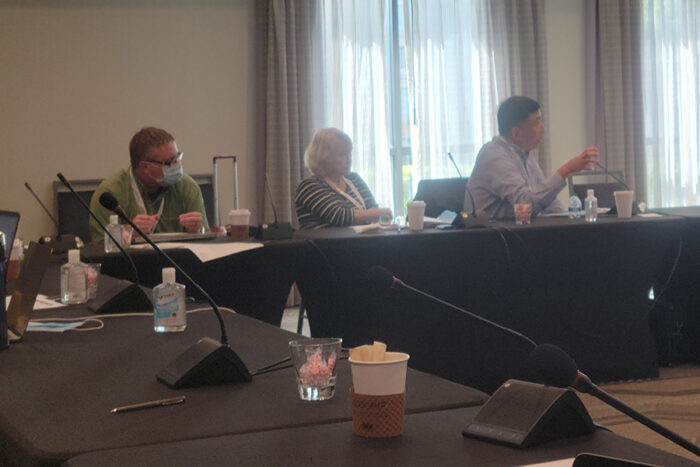
Dr. Butcher: I participated in the 2017 Classification Conference in Bethesda, which was very insightful. I also worked with Dr. Hopkins at Cleveland Clinic on a study about cholesteatomas (benign bone tumors) and their frequency in ectodermal dysplasias, which helped raise awareness of another feature to monitor.
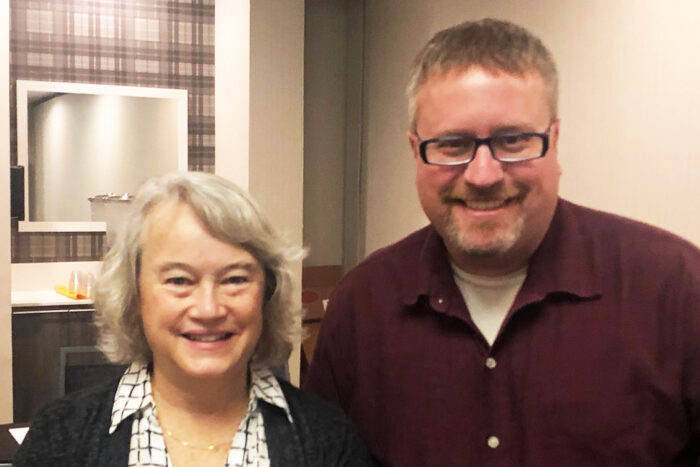
Most recently, I worked with Dr. Fete, Dr. Kathy Grange, and others on the prevalence study we finished last year. With rare diseases, having reliable numbers is important but often difficult. Much of the data has come from old case reports that haven’t changed in years. This study provided updated information, though more follow-up is still needed.
Q. What would you want other providers to keep in mind when caring for someone with ectodermal dysplasias?
Dr. Butcher: I would tell them about NFED.
When working with rare conditions, the best resources are often the patient advocacy groups. NFED has excellent treatment guidelines, recommendations, and connections.
As physicians, if we don’t know something, we need to listen, do the research, and put in the effort to connect patients with resources. We might not have all the answers, but we can help them find who does.
Q. What does life look like for you outside of work?
Dr. Butcher: Hobbies are interesting for me. I’ll get into something for a year or two, then move on. In the past, it’s been coffee, cocktails, and now barbecue and smoking meats.
I also enjoy the outdoors: camping, hiking, backpacking. My wife and daughter aren’t fans of camping without air conditioning, so we compromise with an RV. That way we can still go, even in hot Missouri summers.
We’re also big Disney folks. My wife loves it, and I enjoy the planning. And of course, my wife and daughter keep me pretty busy!
Grateful for Dr. Butcher

Dr. Clayton Butcher shows up for our families, year after year. He gives his time and listens with real care and compassion. Our families notice that commitment and they feel it in every interaction with him. His willingness to share his time and expertise builds real trust and helps families feel supported. That is what it looks like to truly put people first.
Have a question or comment? Contact us.
Would you like to volunteer for the NFED in some way? We’d love to hear from you!