
Paul never thought his life would look like this.
At 41, he is a happy newlywed. He has a home. He even has a dog — a dog! He laughs when he says it. Years ago, he was a scared kid in a small Ohio town who was teased for his missing teeth and sparse hair caused by hypohidrotic ectodermal dysplasia.
He followed a dark path that led to addiction and prison but he survived! Today, he stands in front of crowds and tells people not to give up. Paul knows what hard days feel like. That’s why he doesn’t take these good ones for granted.
Teased For Being Different
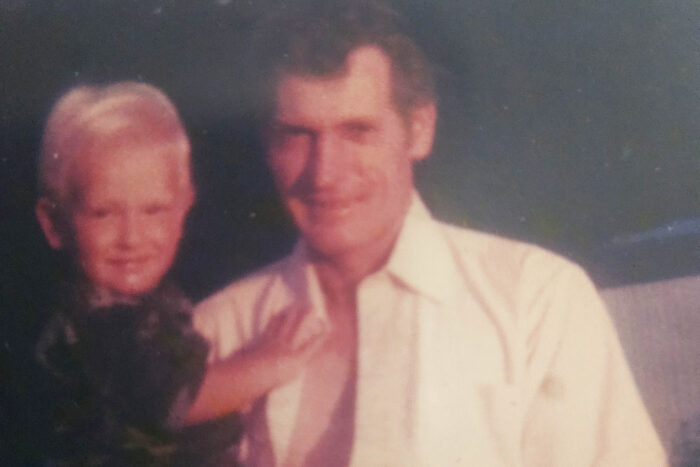
The bullying began when he was just five or six years old. One kid even told him he wasn’t invited to a party because of the way he looked.
“I remember thinking, ‘what’s different about me?’ and then realizing it was my teeth,” Paul said.
He remembers the many car rides to Columbus as his mom tried to get him dental care for his many missing and misshapen teeth. He had braces to move the few teeth he did have and caps to fix their pointy shape. But, he was 12 or 13 before he finally got his first full set of dentures.

“Despite her tireless efforts to provide me with a normal life, I felt the weight of my differences, and so did my peers. If I could go back, I’d say, please just give me dentures and not make me go through all of that other stuff first.”
Coping in Unhealthy Ways
In the beginning, Paul coped with the bullying by overeating and says he became overweight. He found comfort in it. By high school, he turned to drugs to ease his pain and mask his feelings.
“Growing up, I often found myself in trouble, eventually landing in a juvenile detention center at 15. While kids could be cruel, I found acceptance among those labeled as troublemakers. They liked me because I was different. This led me down a dark path, culminating in a battle with heroin addiction.”
His single mom was young and worked hard to take care of Paul. But, he doesn’t remember talking about ectodermal dysplasia or even hearing the name of his condition until he was in his 30s and asked his grandparents. The family just didn’t discuss it as they were trying to make life normal for Paul, he says. Looking back, he wishes they would have talked to him about it but he knows they were doing their best.
“I knew I was different, from my teeth at a young age, and the way I got overheated. My mom made my life as normal as possible, but I knew I was different. Kids were meaner to me in school, because I was changing. I had multiple surgeries, dentures, and pointy teeth.”
A Turning Point in Prison
Paul spent the next two decades battling his addiction and eventually went to prison. It was there that Paul got clean in 2017 and finally had the courage to ask his grandmother what happened to him that he had these symptoms. He’d spent his whole life being angry about them.
“She told me the story of ectodermal dysplasia, how I was diagnosed with it, what it was, and the name of it. And that’s the first time I ever started asking questions. And when I got out [of prison), I changed my life.”
Paul recalls with gratitude the moment in prison when he decided to change his life. He found a Bible under his bed and read it. He credits God for what came next.
“I prayed that night, and something happened,” Paul said. “After that, things started to change. I started to hang around different people in prison, people that wanted to not come back to prison. And by the end of my sentence, I’d lost weight and I started getting in shape. What saved my life is when I went to the Star Community Justice Program after prison for rehabilitation. It changed my life. After that, I went through Sober Living.
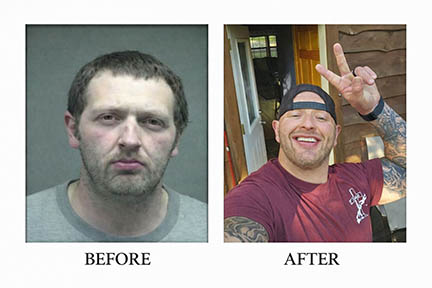
“Something clicked in me when I was in prison. First it was God, and then I made a decision. But first, I had a desire that I wanted something different. I gave up and surrendered to another way of life.”
Life Comes Full Circle
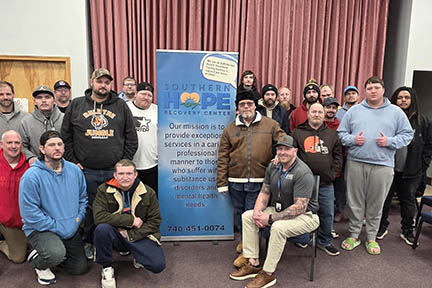
Paul literally changed everything about his former life. He took everything that scared him and the desire to change and ran with it. Paul’s counselor gave him a job at Southern Hope Recovery Center helping others with their recovery. Life came full circle. And he didn’t look back.
“I just kept going, and I’m still going! I’ve had some hiccups,” Paul admits. “I’ve definitely made some mistakes, not big ones, but I’ve made some mistakes. Thank God I’ve had some good sponsors.”
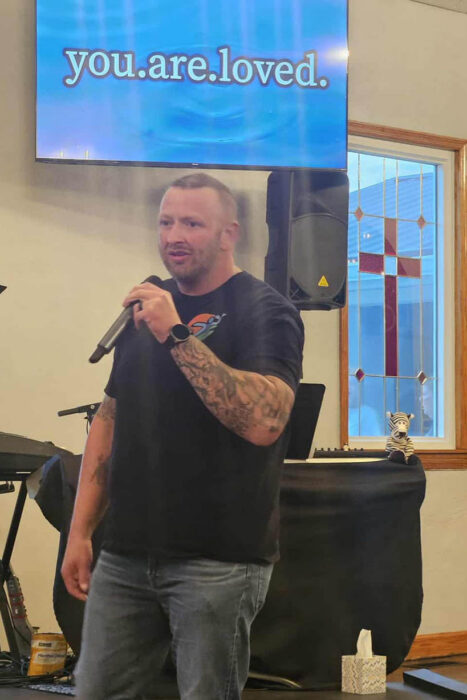
Today, he’s a counselor who talks to others battling addiction and shares his story through public speaking. He’s even helping one of the kids who bullied him the most in childhood with his sober journey. Paul also works closely with his former juvenile probation officer to help clients. He’s even shared his recovery story in the newspaper of the same home town where he once caused trouble. He passionately conveys his message to never give up.
The Importance of Teeth
One of the first things Paul does to help clients in recovery is to help them get teeth if they have lost theirs due to drugs. He knows from his experience with ectodermal dysplasia how much confidence they can give you. He had full dentures as an adult but broke them right before he went to prison. Paul spent the next five years without teeth.
“Getting your teeth fixed in recovery is a big deal,” Paul said. “ The confidence it brings in these young men and women when they get their dentures, it changes their lives, and I know this personally. It changed my life.”
Passionate About His Purpose
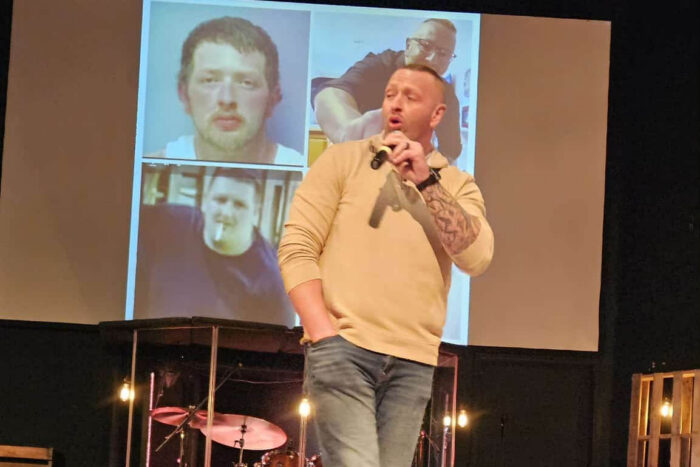
Paul absolutely loves his new life.
“I got out of prison in 2021 and I would have sold myself short if you had asked me what my life would look like. I would never dream that I’d ever be in front of people on a stage talking in front of people. Or, be married? Or have a dog? We have a dog! I got the coolest dog ever! I didn’t even have teeth in my head (in prison) in 2021. My life is literally a miracle, or a blessing from God, you know?!”
Paul is committed to serving others and telling them to never give up hope.
“Living with ectodermal dysplasia has been one of the most challenging aspects of my life, but it has also shaped me into who I am today. I am now a chemical dependency counselor assistant, dedicated to helping others in treatment. The trick is, if you have a bad past, to fix yourself, to change yourself. And then, hold your hand out to the next person. That’s how you make it work.”
Can’t Wait for Conference

In the last few years, Paul found the NFED online and has been learning more about his ectodermal dysplasia with help from his wife, Lizzie. He’s connected to a few others online with the condition but is excited to attend the NFED Family Conference this summer and meet more people. Paul admits that he has a lot to learn, but he wants to help.
“If I could talk to a younger kid with ectodermal dysplasia, I would hang out with him and tell him that he’s different from some people but not everyone. He’s got some people out there who are just like him. And then, maybe, I’d just pop out my teeth and chill!”
What’s your story with ectodermal dysplasia? Would you like to be considered for an upcoming blog?
Have a question or comment? Contact us.