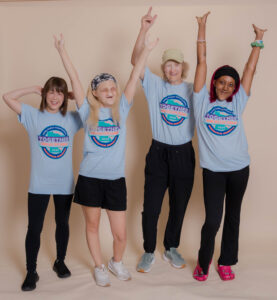
We have wonderful news! The National Foundation for Ectodermal Dysplasias (NFED) has launched the new Ectodermal Dysplasias Registry. We want you to be a part of it.
When you join the Registry, you become part of something bigger. Your voice helps our community and helps science move forward.
This year also marks the NFED’s 45th anniversary. For 45 years, we have supported families, advanced research, and raised awareness. Launching this new Registry is a major step in our mission. It is a key research initiative that will help shape the future of care for everyone living with ectodermal dysplasias.
We invite you and everyone in your family who is affected by ectodermal dysplasia to join. You’ll help scientists and doctors learn more about ectodermal dysplasias and work toward better treatments, better understanding, and better quality of life.
What Is the Ectodermal Dysplasias Registry?
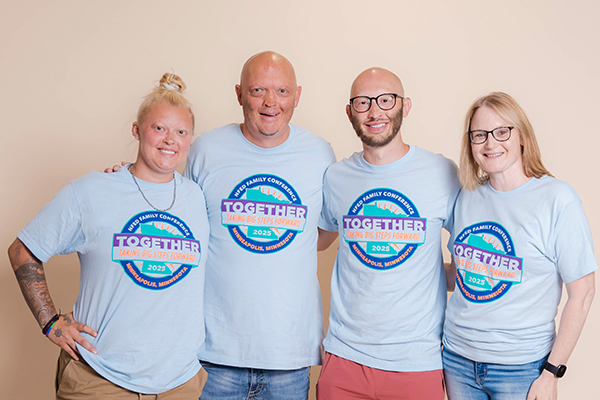
The Ectodermal Dysplasias Registry is a new, online database. It collects information from people affected by ectodermal dysplasias. The NFED created this study with the National Organization for Rare Disorders (NORD®) on the IAMRARE® platform. The NFED is a member of NORD and the two organizations work together to eliminate the challenges that rare disease patients face.
“NORD’s motto is, ‘Alone, we are rare. Together, we are strong.’ The launch of this new Registry is a perfect embodiment of our motto and the collaboration and community engagement needed to drive forward rare disease research and outcomes for the rare community. We look forward to furthering our partnership with the NFED to best support research and innovation for ectodermal dysplasias,” said Janine Lewis, Director of Research Operations, NORD.
When you join, you will share information about your health, experiences, and medical history. You can also share your genetic information if you have it. All of the information you provide stays private and protected.
The Registry is a natural history study which means researchers will use the data to understand how ectodermal dysplasias affect people and how symptoms change over time. They look at what treatments work best. Your story helps them see the bigger picture.
Why the Registry Matters
If you have been with the NFED for some time, you may recall that we had a Registry from 2010-2022. Data from that Registry was especially helpful in advancing x-linked hypohidrotic ectodermal dysplasia (XLHED) research through the Edelife Clinical Trial. That’s just one example of how the data helped informed research.
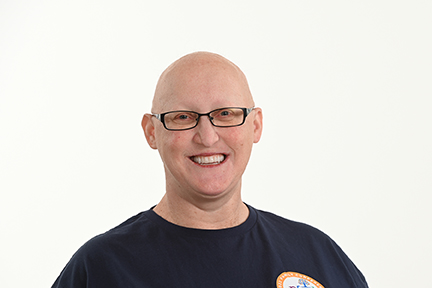
Virginia, an NFED Family Liaison, shared why she participated in the Registry.
“I joined the NFED’s first ectodermal dysplasia registry because I wanted to contribute to something bigger than my own story and turn challenges into purpose,” Virginia said. “Living with ankyloblepharon-ectodermal defects-cleft lip and/or palate (AEC) syndrome means navigating a maze of symptoms. I knew that sharing those details could help other affected individuals, and potentially researchers, see the full picture. Knowing that knowledge is power, I know that by sharing what I’ve experienced it can make life easier for the next person and the next generation.”
Because the ectodermal dysplasias are rare, we still have much to learn. The Registry helps fill those gaps. It gives researchers the data they need to study the condition more deeply and find answers that can lead to new discoveries.
When you participate, you help:
- Improve medical care and treatment guidelines
- Guide research toward what matters most to families
- Help identify people for clinical trials, research studies and surveys
- Move us closer to new treatments, and someday, possibly cures and preventions
How the Registry Works
The Ectodermal Dysplasias Registry is hosted on NORD’s IAMRARE® platform, a secure system designed for rare disease communities like ours. It’s easy to use. You’ll create an account, answer surveys, and update your information as needed. They also have an IAMRARE mobile app, making it easy to do on your phone.
If you joined the NFED’s older Registry in the past, thank you! This new Registry is built with more features and tools to make your information even more helpful to researchers. Because of these updates, data from the old registry cannot be transferred. You’ll need to create a new account to participate. The surveys are simple to complete and can be done at your own pace.
Grateful to our Sponsors
The NFED thanks Oracle and NORD for their financial contributions to this important project. We appreciate their commitment to ectodermal dysplasias research.
Together, We Can Make a Difference
The Ectodermal Dysplasias Registry brings our community’s voices into research, making sure that every experience and every challenge is heard. Joining the Registry is one of the most powerful ways you can help. You don’t have to be a scientist to move research forward. You just need to share your story.
Join the Ectodermal Dysplasias Registry
Your story matters! Together, we can make a difference for our NFED family.
Have a question or comment? Contact us.