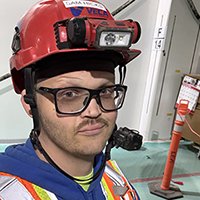
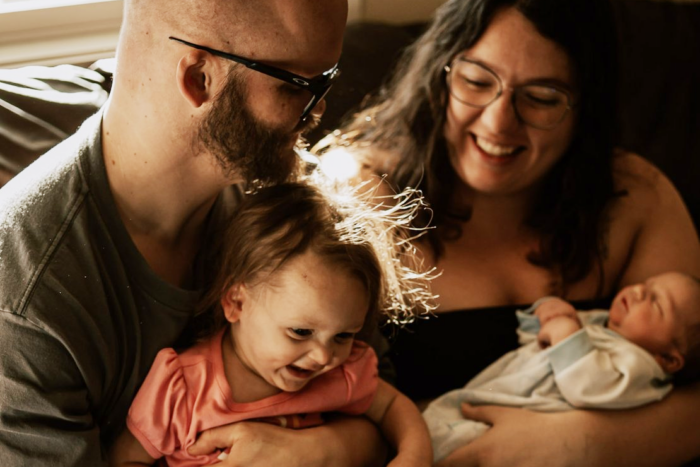
When I sat down with Sam and Jennifer Hicks over breakfast in Boise, it didn’t take long to feel the warmth this family brings to everything they do. Sam is a National Foundation for Ectodermal Dysplasias (NFED) family liaison, a husband, father of two, and someone who has spent most of his life refusing to let ectodermal dysplasia slow him down.
He also has a poem floating around the NFED blog sphere, submitted by his mom years ago, that has followed him into adulthood. He’s a fairly good sport about it. Jennifer, his wife, has jumped right in alongside him, not only helping manage the day-to-day realities of x-linked hypohidrotic ectodermal dysplasia (XLHED) for Sam and their children, but as an NFED volunteer in her own right.
A Lucky Break in a Small Town
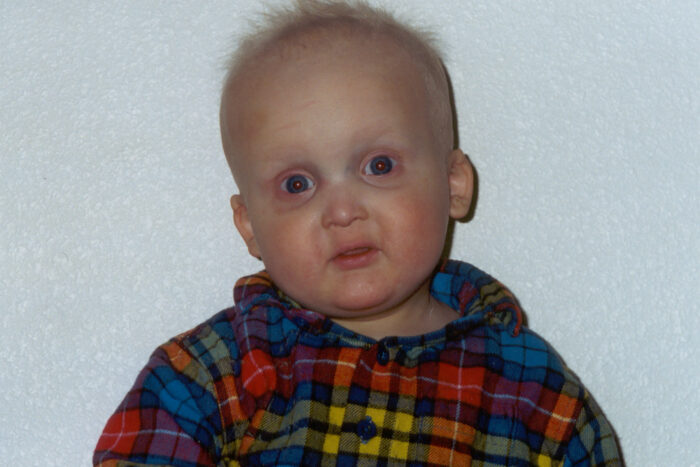
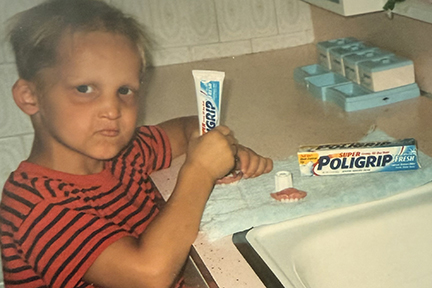
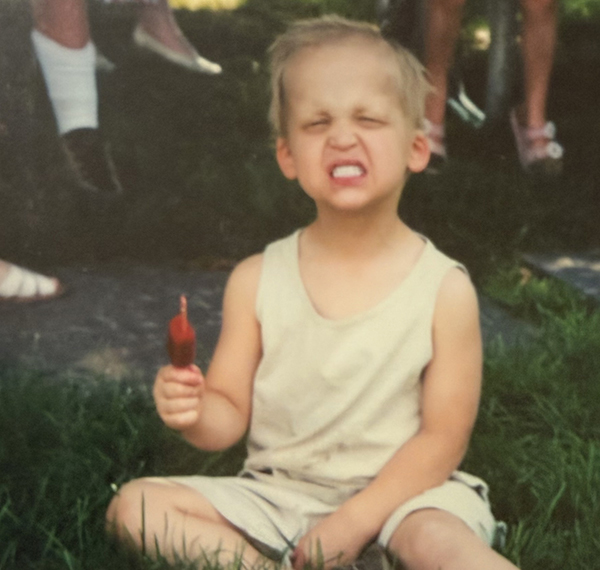
Sam grew up in Idaho and was diagnosed with XLHED as a child. XLHED affects the development of sweat glands, teeth, hair, and other structures. For Sam, the inability to sweat means his body can’t regulate heat the way most others can. Getting that diagnosis at all was a stroke of luck.
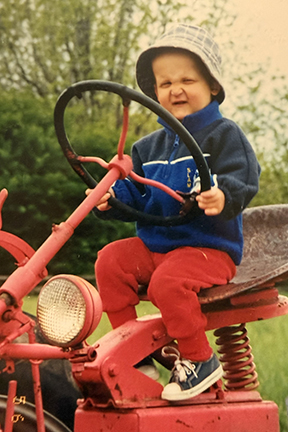
A general practitioner in Emmett, Idaho recognized his symptoms and knew exactly what ectodermal dysplasia was, which is genuinely rare. That diagnosis pointed his family straight to the NFED, and everything grew from there.
When Support Looks Like a Fan
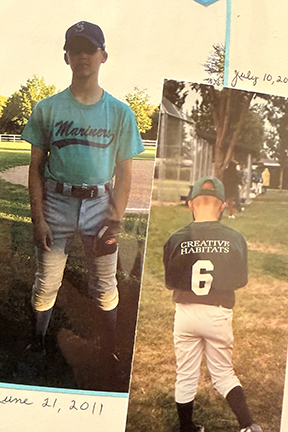
Growing up, Sam didn’t sit on the sidelines. He played sports, including football during hot Treasure Valley summers, which his mother wasn’t so sure about. She worried, reasonably, about overheating. But, Sam made his case and won.
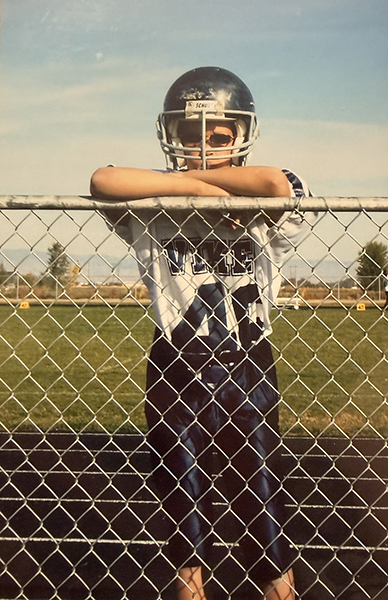
His school and teammates showed up for him in a real way. They designated a large fan just for him on the field. Labeled “Sam’s Fan,” if a new teammate wandered over and tried to use it, the other players quickly set the record straight. That kind of community mattered, and it shaped how Sam thinks about support.
“What really helped me was communicating with the people closest to me to answer questions when people asked. There are a lot of people who want to help but are too scared to ask what’s wrong with me. But, they were willing to go to friends of mine and get the answers they needed, enough to go, okay, this is a real thing. For the most part, people didn’t care, that was just a quirk of Sam.”
A Career He Almost Ruled Out
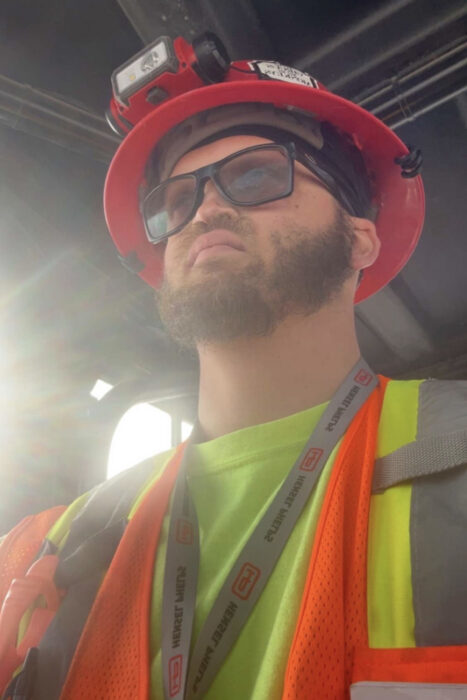
Sam is a union electrical apprentice. But, for a long time, that path didn’t seem possible. Electrical work often happens outdoors in the heat, and Sam knew what heat could do to him. He figured it out anyway. Over time, he became an expert at advocating for himself on the job site by communicating his needs, planning around conditions, and making it work.
His workplace has been supportive. But, Sam knows not everyone with ectodermal dysplasia believes a career like his is within reach. That’s exactly what drives him. He wants others in the community to see what is possible, and he’s willing to be the proof.
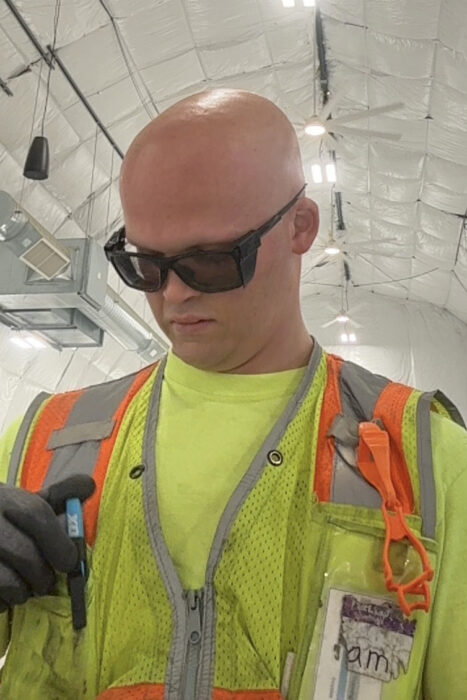
“I’m a huge advocate for the trades right now,” Sam said. “It’s a career path that I’m very passionate about. There’s a lot of money to be made in these blue-collar jobs, and the work is fun and enjoyable.”
From Lone Kid in Idaho to Family Liaison
Sam shared that for much of his childhood, he felt alone in his diagnosis. The NFED was part of his family’s life, but real community connection took time.
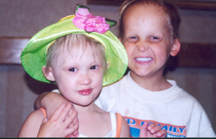
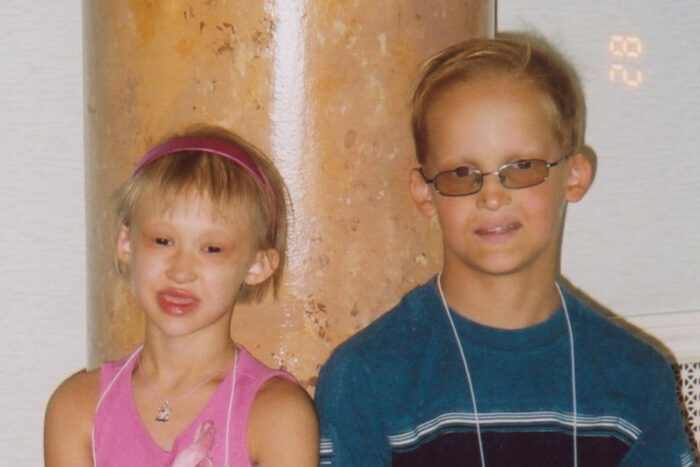
It wasn’t until his second or third NFED Family Conference that he started meeting others from the Idaho area. That isolating experience stayed with him and deepened his understanding of what newly diagnosed families go through.
Sharing His Experience Helped a New Family
Later, as an adult, a geneticist connected Sam to a young, local family. They were overwhelmed, full of questions, and understandably nervous. Sam recognized that he had most of the answers they needed, drawn from years of living with ectodermal dysplasias himself.
When Sam met the family for a second visit, he grabbed photo albums from his parents’ house.
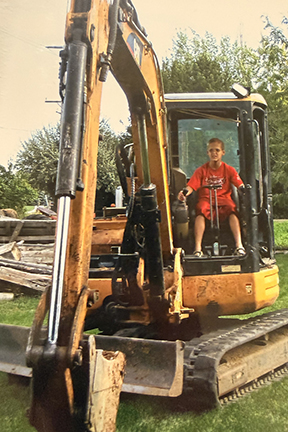
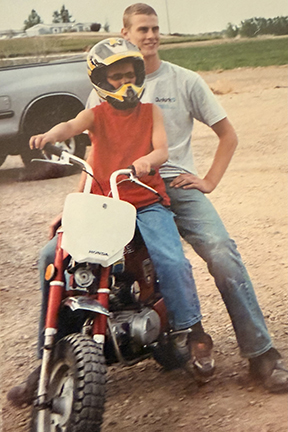
“My mom was adamant that they didn’t want to see them and that I would overwhelm them,” Sam said. “It turns out that’s exactly what this family needed to see, a boy just like theirs grow up, completely unfazed.”
He knew then that this was how he wanted to be involved.
Now, as an NFED family liaison, a community volunteer who connects newly diagnosed families with someone who understands from real experience not a textbook, he gets to do that work all the time.

Sam and Jennifer now have two young children of their own, which means he understands both sides of that table. As an adult affected by XLHED, he knew that his daughters would inherit the condition. He is a resource to families as not only an affected individual, but as a parent as well.
Sam Says Don’t Stop What You’re Doing
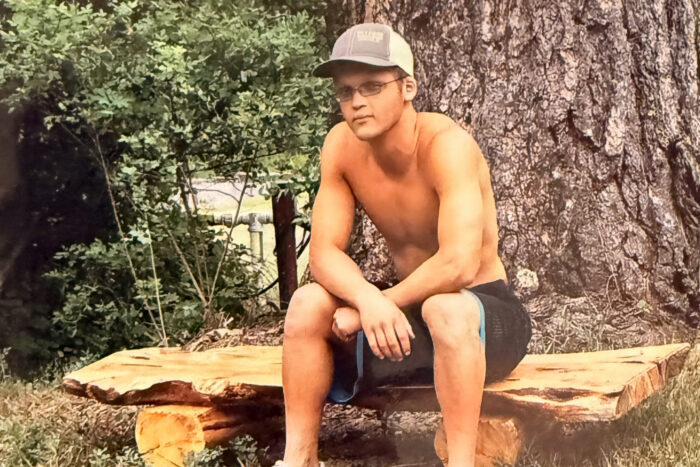
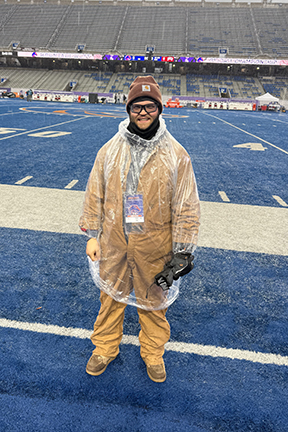
“I would tell newly diagnosed individuals or families that they don’t have to stop doing what they want to do,” Sam said.
All families adapt over time. I love talking to families who are terrified to go outside when it’s hot, because I share that it never slowed me down. I just had to maybe bring extra water or something simple like that. I love breaking down simple things to do that have helped me. – Sam
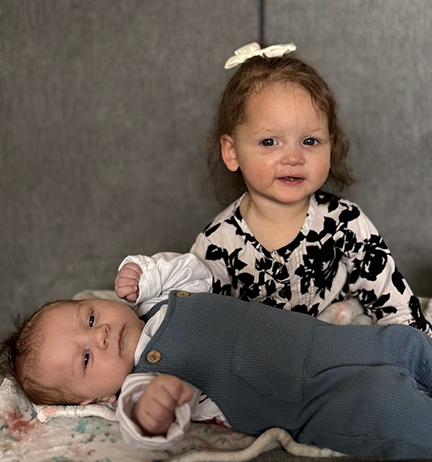
If your family is newly diagnosed and looking to connect with someone in the Idaho area, reach out. Sam is there, and he gets it. Or, if you want to reach out to Sam to talk about XLHED, he’s happy to connect. Want to talk to a spouse of someone affected? Jen is available! Contact Sam and Jen.
Interested in becoming a family liaison? Contact us.