
By Finnegan
If someone were able to read their obituary, they would probably hope it speaks about how kind they were or how nice they were, but the first words on mine would say: The Hot Kid.
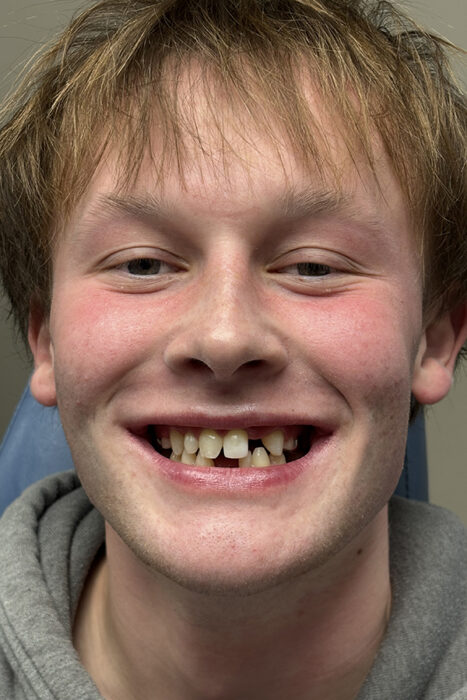
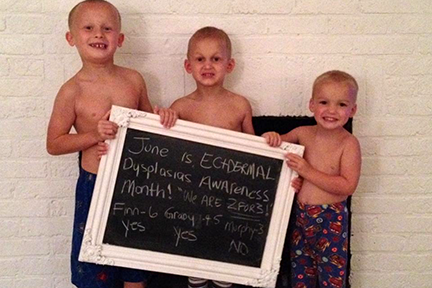
Ectodermal dysplasia is a group of genetic disorders that affect the development of the ectoderm, the outer layer of the embryo that gives rise to structures such as the skin, hair, nails, teeth, and sweat glands. Pretty much means I can’t sweat, and I have fewer teeth than most. Most athletes would view this as a curse, since overheating is a significant issue when trying to practice or play a game. For the general public, this is seen as a huge handicap; in my case, it’s a superpower.
When the Heat Keeps Rising
Imagine a person who is a fantastic runner and can run a five-minute mile. Now, let’s say after the first 400 meters, the temperature outside increases by five degrees. After the next 400, the temperature increases by 10 degrees, also raising the runner’s internal body temperature. If that process is continued, the runner would have collapsed before finishing the race. That’s how I feel during one soccer game.
Being Underestimated
Although my inability to sweat severely impacts my physical abilities, it also creates opportunities for me to improve my strengths. For example, soccer coaches sometimes keep me on the bench, telling me it’s “too hot”, but I like being underestimated. It gives me motivation to work harder and prove myself when opportunity comes. It causes me to rise to the occasion, give it my all, and often find success.
Building Character Through Adversity

This desire to persevere through physical challenges has strengthened my mind and character. Being born with ectodermal dysplasia means that growing up, I experienced a lot of bullying, whether it was playful teasing from friends or people blatantly making fun of my appearance. I have dealt with some harsh words which has forced me to shed my insecurities and develop a thick skin.
Humor, Confidence, and Finding My Voice
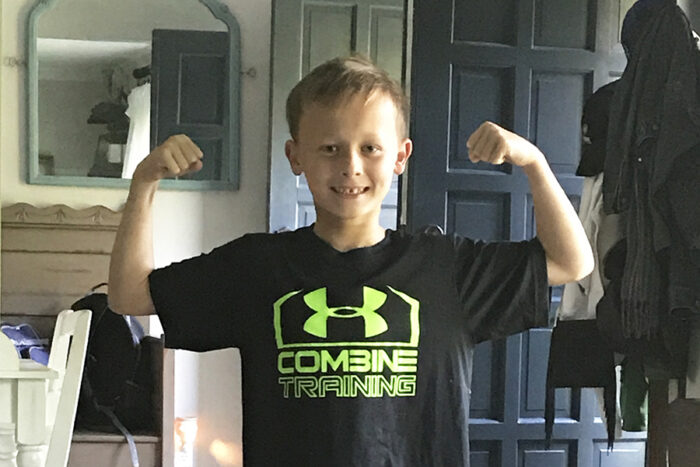
It also allowed me to reply with humor and joy, causing some of my friends to describe me as “the funniest person” they know. In class, this attitude has led me to get actively involved in discussions, especially knowing that some students would feel awkward and nervous to share.
In a way, my ectodermal dysplasia and the criticism it brought allows me to project my personality onto others in hopes of freeing them from their own mental cages.
I hope to present myself as someone my peers can openly speak to without feeling anxious or uncertain. People learn in different ways. I know mine may not be the only, so I don’t wish to force individual ways of learning on groups as a whole.
Redefining What a Superhero Is
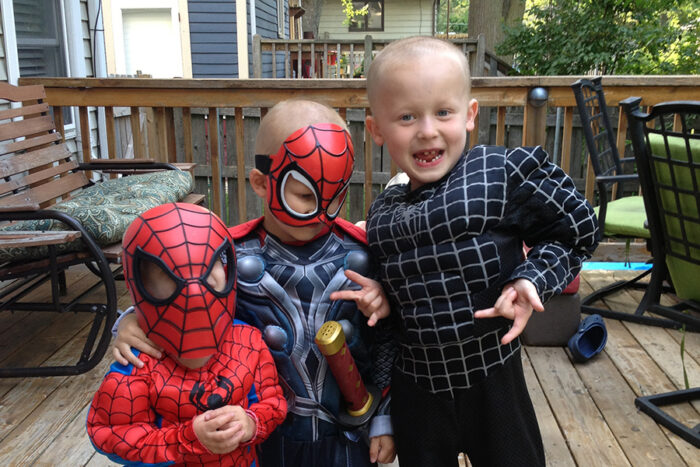
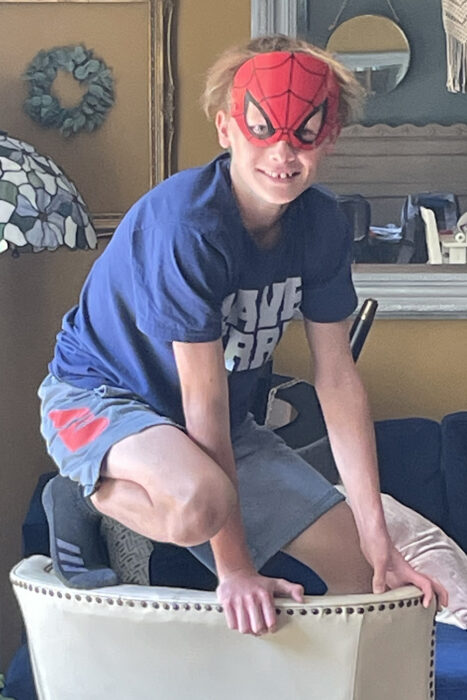
Having ectodermal dysplasia helped me find my own super power.
The consensus among the population is that superheroes have crazy mutant powers that allow them to save people in need. I would disagree. Superheroes are people who take what negatives life has given them and transform them into strengths to leave a positive impact on the world around them.
Whether it’s physically or mentally, ectodermal dysplasia opens space for me to strengthen myself, and simultaneously, the world around me. For years, I’ve tried to keep my diagnosis under wraps since I hated being defined by a piece of DNA, but I’ve learned it’s a staple of my origin story. I may not be able to lift cars or climb buildings, but I still aim to leave a positive impact on my community.

Finnegan, 17, is a guest blogger for the National Foundation for Ectodermal Dysplasias. He’s one of several in his family who are affected by hypohidrotic ectodermal dysplasia. He lives in Illinois.
Have a question or comment? Contact us.