Ten years ago, the National Foundation for Ectodermal Dysplasias (NFED) took its first steps toward advocating for a federal bill. Five sessions of Congress have considered the Ensuring Lasting Smiles Act (ELSA) but not passed it – yet!
A decade later, NFED staff and ELSA advocates have dedicated thousands of hours to its passage. Is it worth it? Do we still really need ELSA?
Yes, we absolutely do.
As co-chairs of the NFED Advocacy Committee, Morgan Rigsby and Soren Roe are focusing on these key questions: Why does this work matter? Who does it impact? What does meaningful progress look like? Those conversations have shaped their partnership as co-chairs but also are creating a shared understanding of the responsibility and opportunity ahead for all of us.
Before any lasting change can happen, Morgan and Soren know that kind of alignment is essential. In this Q&A, Morgan and Soren share their lived experience and deep commitment to advocacy. They give not only their individual perspectives, but also their collective vision for individuals and families affected by ectodermal dysplasias.
First, a brief introduction.
Meet Soren and Morgan
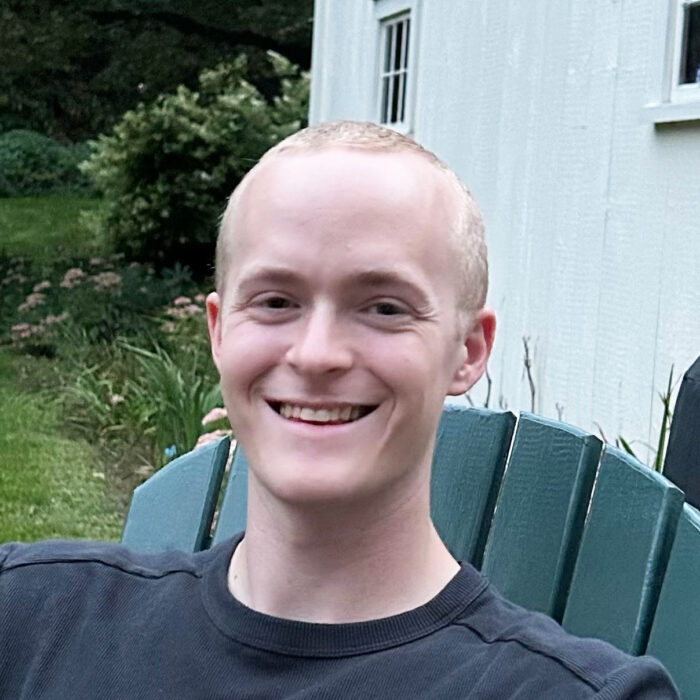
Soren is an NFED Board of Directors member and individual affected by ectodermal dysplasia living in New York City. In his free time, he enjoys spending time with his fiancée as well as running, walking, and playing baseball in Central Park.
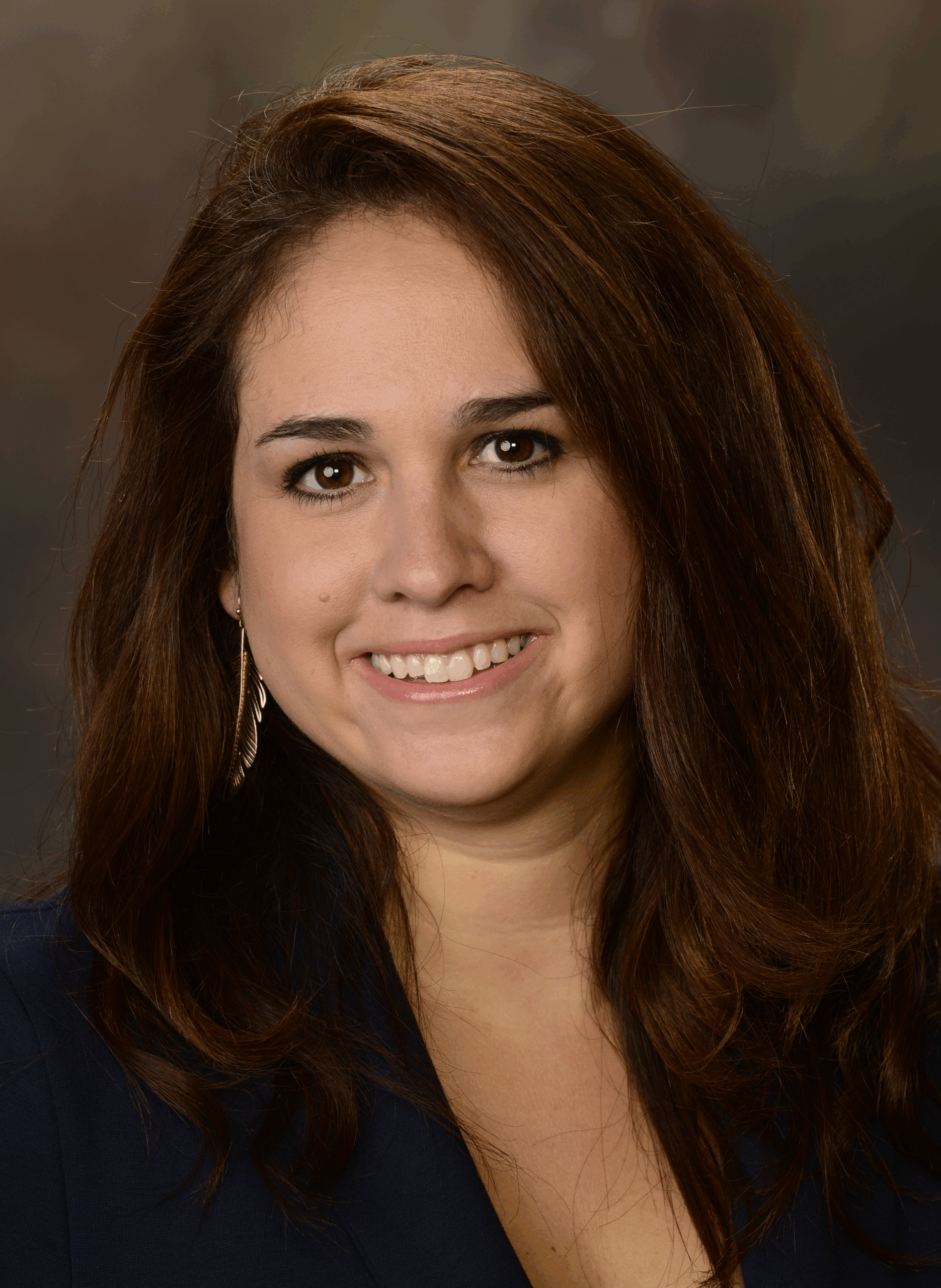
Morgan is the NFED Advocacy State Lead in Alabama. She lives in Auburn with her husband and two children. Carter, her son, is affected by hypohidrotic ectodermal dysplasia (HED). When not working, she enjoys being outdoors, whether at a sporting event, kayaking, hiking, or spending time with family.
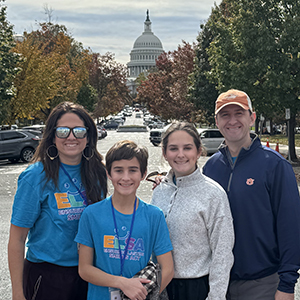
Morgan’s family was the first NFED family Soren ever met while they were walking to the U.S. Capitol in Washington, D.C. They quickly became friends through the NFED. Soren showed Carter what life can look like as you grow up with ectodermal dysplasia, giving him hope and confidence for the future. Today, Soren and Carter, along with Morgan, share a strong bond built on support, advocacy, and a shared mission to help others.
Q. What made you get involved with advocacy for ELSA, and what surprised you the most when you first became an advocate?
Soren
I did not learn about ELSA until after I had already gone through most of my dental treatment and implants. Around the same time I found the NFED, I learned that a major part of their work was advocating for insurance coverage for the kind of dental care I had received. I remember thinking, “gee, that would’ve been nice.” I’m sure my mom had stronger words to say after spending over $100K for my sister and me over the years.
My first advocacy experience in 2022 was eye-opening. During an NFED Virtual Day on the Hill, I heard stories from others affected by ectodermal dysplasias and other congenital anomalies for the first time. I used to have bragging rights over my sister for missing more teeth (13), but hearing the stories from others made me realize I actually got off relatively easy. Some people were missing nearly all of their teeth, along with dealing with severe challenges affecting their skin, hair, and more.
It was both humbling and honestly pretty infuriating.
I kept thinking how wrong it was that insurance companies call this ‘cosmetic’. From my own experience, it’s so clearly not. Yes, having normal teeth affects how you look, but it also impacts how you eat, what you can eat, how you speak, which are all fundamental to your daily well-being. I love apples, and for most of my life, I couldn’t bite into one. It sounds small, but when something that basic is off-limits, it really does shape your whole experience.
By that point in my life, as a 22-year-old fresh out of college and just starting my career, I had already received my dental implants and was more than eager to move on from the experience. But listening to other advocates during that Zoom call and sharing my own story, probably for the first time, lit a fire in me that I didn’t even know was there.
Maybe the bill wouldn’t retroactively cover my own treatment, but there are so many others who need and deserve that coverage. It felt so obviously “right”. In that moment, I knew I wanted to keep advocating until it passed.
Morgan
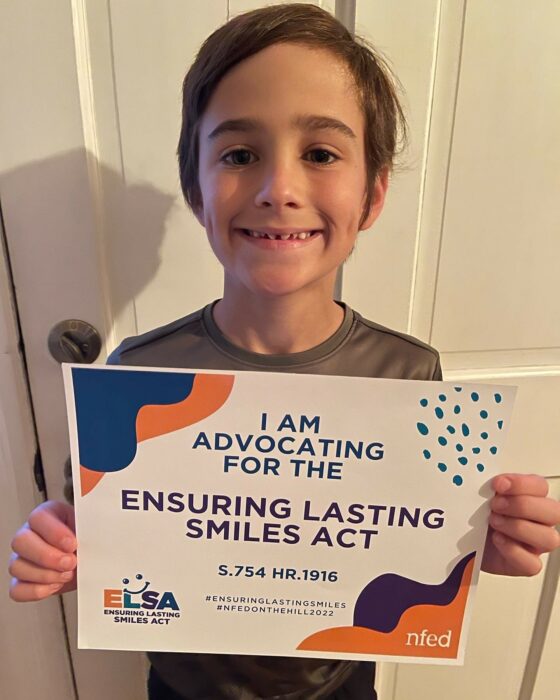
As a parent of an affected individual, I made an early decision to focus on what we could control during this diagnosis process. It was important for my son, Carter, to be able to have a voice for good during a time that felt overwhelming.
His diagnosis is unique in that he inherited the condition from both sides of our family, meaning Carter will definitely pass this down to any of his biological children one day. We have always taught our children that if something doesn’t feel right, you can sit back and complain or you can get involved. Advocacy has given Carter a sense of ownership in his story, which has been vital for his confidence and mental health.
Our first trip to Washington D.C. for Advocacy Day introduced us to a community of individuals who truly understood what we were experiencing. That connection changed everything. Through the NFED, we found purpose, relationships, and the ability to help others navigating similar challenges.
I was very surprised by how long ELSA had been around. The advocates involved are committed to the long-haul mission of getting it across the finish line.
What does access to care actually look like when it is working the way it should?
Soren
I was extremely lucky. No one works harder than my mom, and when it comes to her kids, she’ll move mountains. I had braces for the first time when I was about eight, and then a few more rounds up until I was around 14.
High school was tough. I had my remaining baby teeth pulled freshman year, which left my mouth even more bare than before. That made room for retainers with fake teeth, and eventually Invisalign. Then, by senior year, I started the implant surgeries.
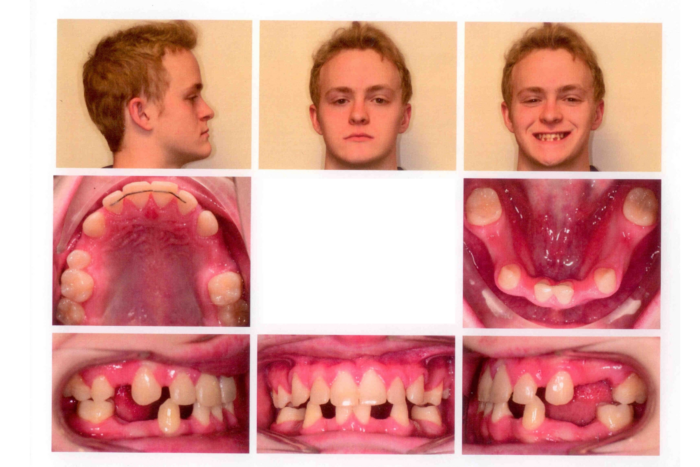
Because I was missing so many teeth, my jawbones didn’t grow and strengthen the way they normally would. Before they could place the implants, they had to graft bone from stronger areas into my jaw to support them. It was brutally painful—but at the same time, I was excited to finally be on the path to having real teeth.
Long story short, proper access to care is complex. It takes teams of incredibly skilled dentists, orthodontists, and surgeons essentially working a long-term science project to give people like me the same teeth most are born with. And that takes money—a lot of it. Many families simply can’t afford it.
If someone breaks their leg, insurance doesn’t say, “well, you can technically live without full mobility, so fixing it is cosmetic.” They cover what’s needed to restore basic function. Yet when someone is born without teeth—something completely out of their control—it’s treated differently.
Access to care means ensuring people receive the same kind of coverage we already accept in other, similar situations. At the end of the day, fundamentally, it’s about equality.
Morgan
Access to care means that individuals receive any treatment that is deemed by a doctor or dentist as medically necessary to treat their condition without having to fight loophole after loophole with insurance. Dealing with a diagnosis is difficult enough. Families should not have to fight time and time again just to ensure that they get the coverage they need, especially considering these treatments are supposed to be covered already, but insurance companies utilize loopholes by claiming the treatments are cosmetic.
Many families face the same issues Soren did. Carter will have to go through bone grafting along with at least 10 or more implants down the road. He already has loss of bone due to not having teeth to maintain the structure of his jaw.
How does inconsistent coverage cause issues across families and states, and therefore make this bill imperative for treatment?
Soren
Having coverage in some states but not others ultimately degrades everyone’s experience. Either we believe Americans are entitled to a full quality of life, regardless of whether they were born with or without teeth, or we don’t. And if we do, that standard should apply in every state.
Morgan
Since insurance is federally regulated, a federal solution is necessary. At the state level, it is not being governed. Again, understanding that these treatments should already be covered is key. This bill would close the loopholes that never should have been there to begin with. ELSA ensures that coverage is applied consistently and fairly across the country.
What does effective advocacy look like behind the scenes?
Morgan
Advocacy extends beyond legislation. It happens in schools, workplaces, and everyday life. Staying connected with legislative offices, building networks, and using platforms to raise awareness are all important. Success means not only passing legislation, but also ensuring advocates feel equipped to address challenges like bullying, discrimination, and lack of awareness in their communities.
What has been the most encouraging sign of progress so far?
Soren
It’s encouraging to see the continued bipartisan, bi-cameral support for ELSA. Unfortunately, most issues that come to Capitol Hill end up falling along one side of the aisle or the other. ELSA is clearly not partisan, but there’s always a risk it could be perceived that way depending on how it’s communicated and who is championing it. Thankfully, the essential rightness of the bill has resonated with both Republicans and Democrats. And for it to ultimately pass, it needs to stay that way.
Morgan
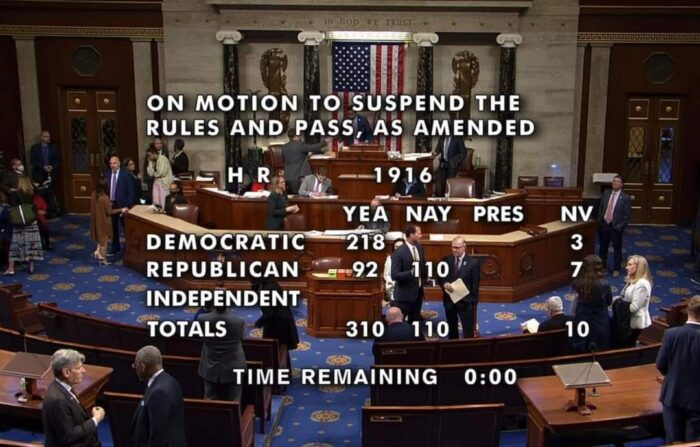
The most encouraging sign for me has been when ELSA passed in the House of Representatives in the 117th Congress with a 310–110 vote in 2022. It was a resounding success. It was awesome for my son, who was nine at the time, to see what his advocacy was actively doing. The passage encouraged us to keep pushing.
How can ELSA supporters stay engaged beyond a single action, such as attending an Advocacy Day?
Soren
The bill will only get passed through persistent, individual advocacy from all sides.
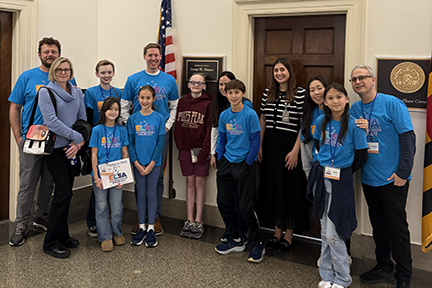
I love the energy we bring together on Advocacy Day, but it’s just as important to carry that forward every day throughout the year and in their home districts when their legislators are in recess.
For ELSA, effective advocacy means consistent and continuous communication with your legislators. It means writing, calling and meeting them in person to share your story and ask them to co-sponsor the bill.
If they are already a co-sponsor, send them regular updates about you, your affected child or the status of the bill. It’s good relationship building! Ask them to reach out to their colleagues and get them to support ELSA. Reach out to them monthly if you can. Our stories and telling them with persistence is what has driven ELSA’s success so far.
Spread awareness to friends and family, ask them to advocate, and share your story whenever you can.
At the NFED, we want to support and enable that mindset. We’ll continue working to democratize advocacy so that everyone has the tools and confidence to be a driver and champion for this cause.
Legislation takes time and patience. We’re not giving up. We hope you won’t give up either. Let’s get ELSA passed!
Ways to Take Action
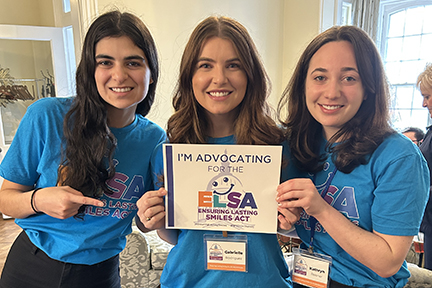
Our list of legislators co-sponsoring ELSA continues to grow. It’s great- but we need more to move the legislation. Please act today!
- Register as an advocate to receive updates and emails with calls to action for ELSA.
- Join the Ensuring Lasting Smiles Act Advocates Facebook Group to communicate with other advocates and learn updates.
- Access NFED Advocacy Resources to help you write your story and download one-pagers and graphics for social media awareness.
- Use NFED’s advocacy tool to email your Senators and Representative. It writes the letter. Just add your story.
- Serve as an Advocacy State Lead